A Clean Vehicle History Report Can Still Have Gaps
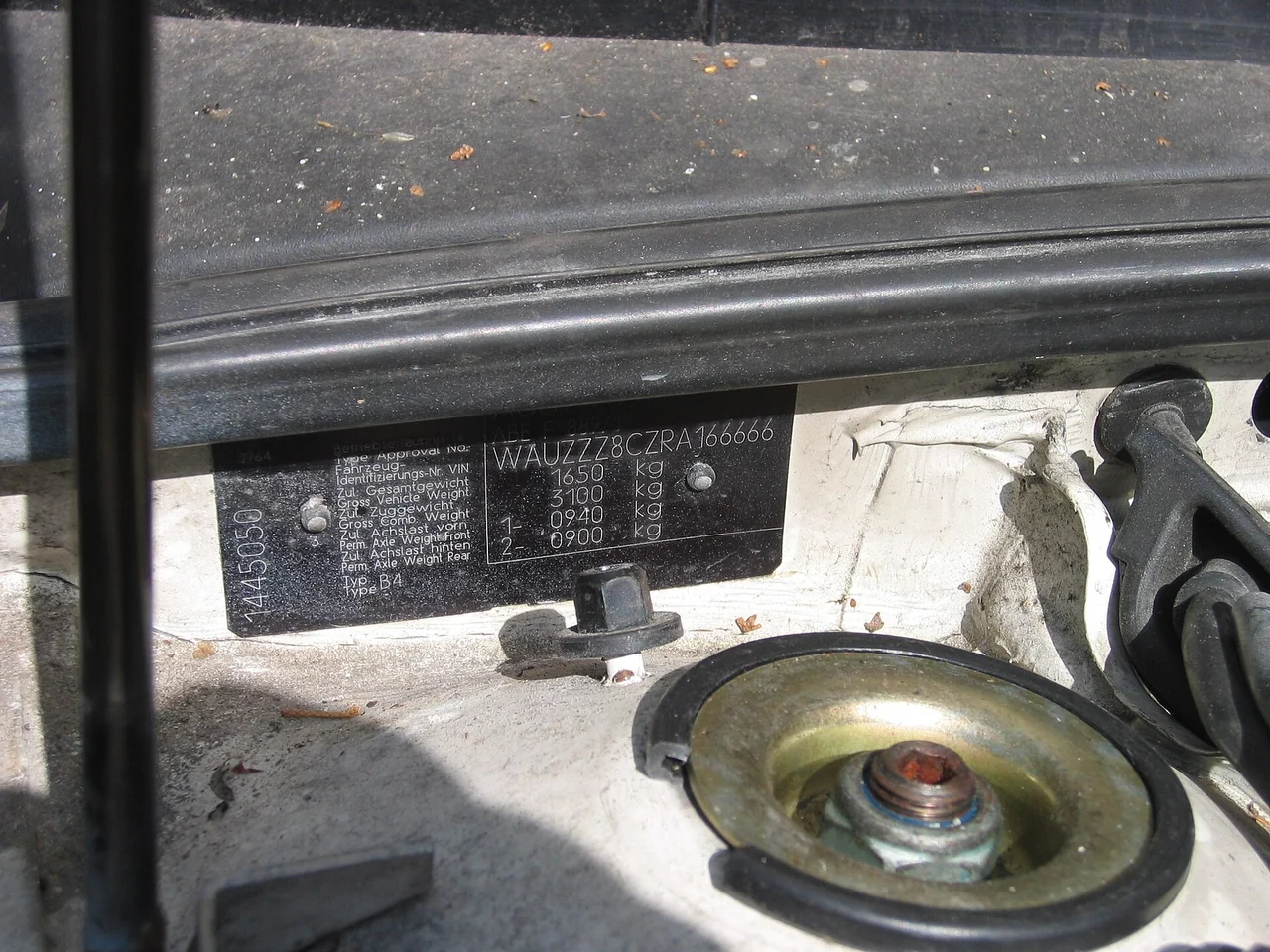

A history report tells you what its data sources have reported. It does not watch the vehicle continuously. An empty accident section is useful information, but it cannot establish that every body panel is original or that no repair was paid for privately.
Read the report’s scope
Identify the provider, the VIN and the date. Check which records it includes and what it says about coverage or reporting delays. A VIN decoder, a recall search and a title-history product answer different questions; three reassuring results do not become a complete inspection when combined.
Build a chronology
Put dated mileage, title changes, service entries and disclosed repairs in order. Mark gaps as unknown rather than filling them with assumptions. Ask the seller for invoices covering a gap. A missing annual service entry might reflect missing reporting, missed maintenance or work performed elsewhere.
Take the report to the car
Give the chronology to your independent inspector. Ask whether paint, accessible structure, restraint-system warnings and wear are consistent with the available history. A replaced bumper cover may be minor, while a seemingly tidy repair can need closer structural assessment. The report alone cannot distinguish those cases.
Do not pay extra for certainty you have not obtained
If a seller uses “clean report” to justify a premium, compare that claim with title documents and current condition. Ask what the phrase is intended to mean. Clean title, no reported accidents and no observed repair evidence are separate statements; keep them separate in the negotiation.
Keep the unresolved questions visible
A report with a documented repair can sometimes be easier to assess than an unexplained physical discrepancy on a blank report. Decide whether further testing can resolve the concern. If access is refused or the story keeps changing, you can decline without proving that a database has omitted anything.
Sources and checks
- US DOJ: Understanding an NMVTIS report — History-report scope; title data do not replace a current mechanical inspection.
Sources checked November 2, 2026. Examples are illustrative; current terms and vehicle-specific instructions must be verified.