How to Check a VIN Before Buying a Used Car

A VIN check is a sequence of checks, not a single certificate that a car is safe to buy. Start by confirming that the identifier belongs to the vehicle in front of you. Then investigate the information attached to it.
Do this before paying a deposit that you cannot comfortably recover. A report ordered for a mistyped VIN may look reassuring while describing a different car.
Match the identifier first
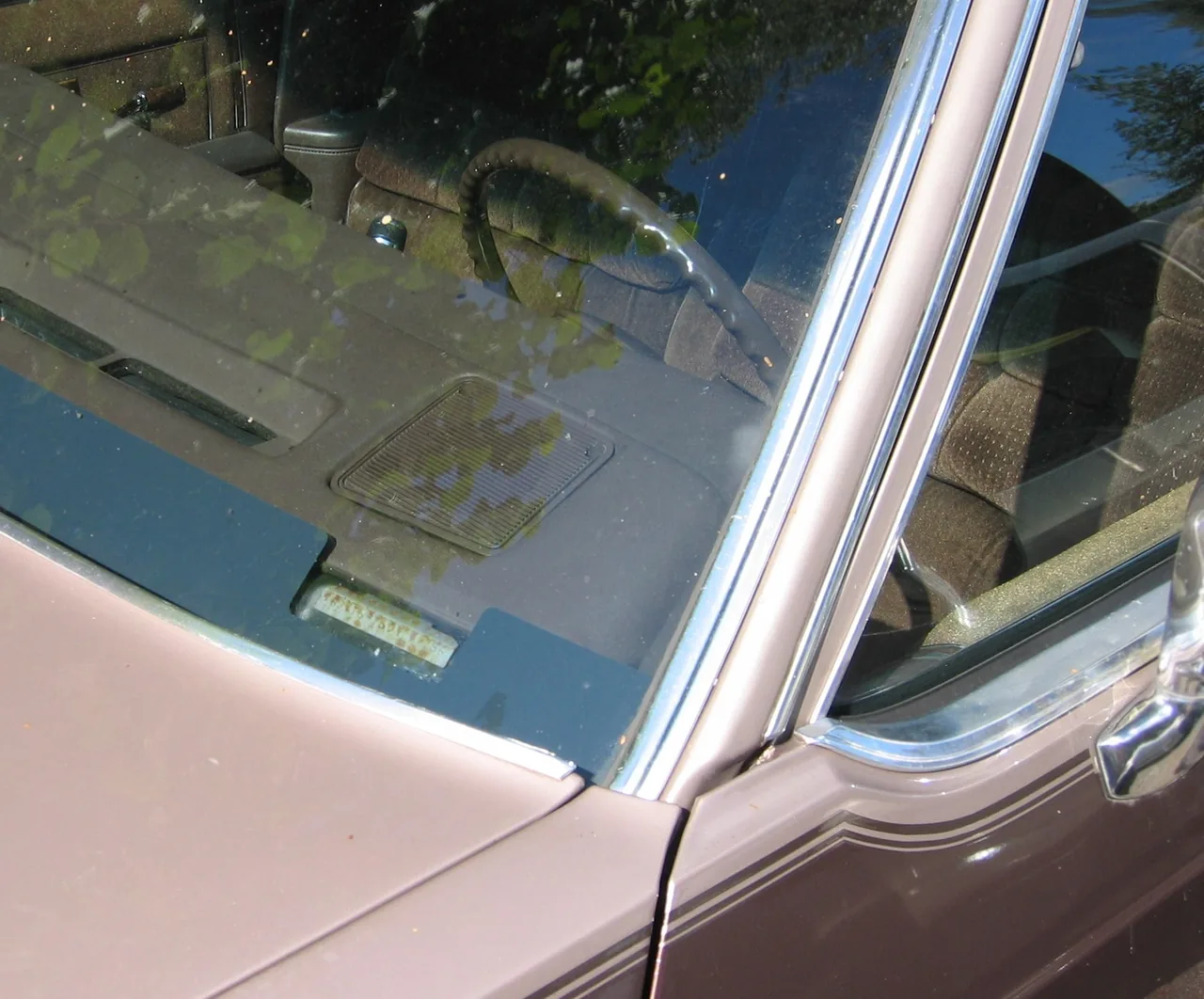
For most modern passenger vehicles, expect a 17-character VIN. Older vehicles can use different formats. Compare the windshield VIN, the manufacturer's identification label where accessible, the title or registration documents and the seller's listing.
Ask a qualified inspector to investigate missing, damaged or inconsistent identification. Do not attempt to remove or alter plates. A discrepancy may have an explanation, but that explanation needs evidence before the transaction proceeds.
Use different sources for different questions
| Check | Useful question | Limitation |
|---|---|---|
| VIN decoding | Does the reported vehicle specification make sense? | Does not establish condition or ownership |
| NHTSA recall lookup | Is an unrepaired recall reported for this VIN? | Has stated coverage and timing limitations |
| NMVTIS-based history | What title, brand and other reported history is available? | Not a mechanical inspection |
| Independent inspection | What can be observed and tested now? | Cannot guarantee future reliability |
Check recalls directly
Use NHTSA's recall lookup and read the limitations below the result. A “0 unrepaired recalls” message does not prove that a vehicle has never had a recall, a crash or a mechanical problem. Recently announced recalls and certain other records may not appear.
Ask the seller for repair documentation where applicable. For an unresolved safety issue, contact an authorized service center about the remedy and timing before making travel or purchase plans.
Choose a history source deliberately
The Department of Justice's NMVTIS consumer page lists approved providers. Compare what a provider includes and what it costs. A free decoder may explain the vehicle's identity while offering little or no title-history detail.
Read the chronology rather than stopping at a green checkmark. Look for changes in recorded mileage, title brands and dates that deserve an explanation. A missing event is not proof the event never happened.
Make the history and physical car agree
Give the report to the independent inspector. Ask the shop to examine areas linked to reported damage and note discrepancies. A repair invoice may resolve a question; an unsupported verbal claim does not carry the same weight.
Confirm the seller's authority to transfer the vehicle and the process for any lien release using the relevant state requirements. History reports are helpful research tools, but they do not replace transaction documents.
Save the VIN, source reports and written answers with your purchase records. When the identifier, chronology, inspection and paperwork tell a consistent story, you have a stronger basis for a decision than any single “VIN checked” badge can provide.
Sources and checks
- NHTSA: Check for Recalls — VIN recall lookup and the limitations of its results.
- US Department of Justice: Research Vehicle History — Directory of approved NMVTIS history-report providers.
Sources checked November 2, 2026. Calculations are illustrations, not dealer or lender offers. Confirm current terms for the vehicle and transaction.