Used Wagon vs. SUV: Compare Load Shape and Access
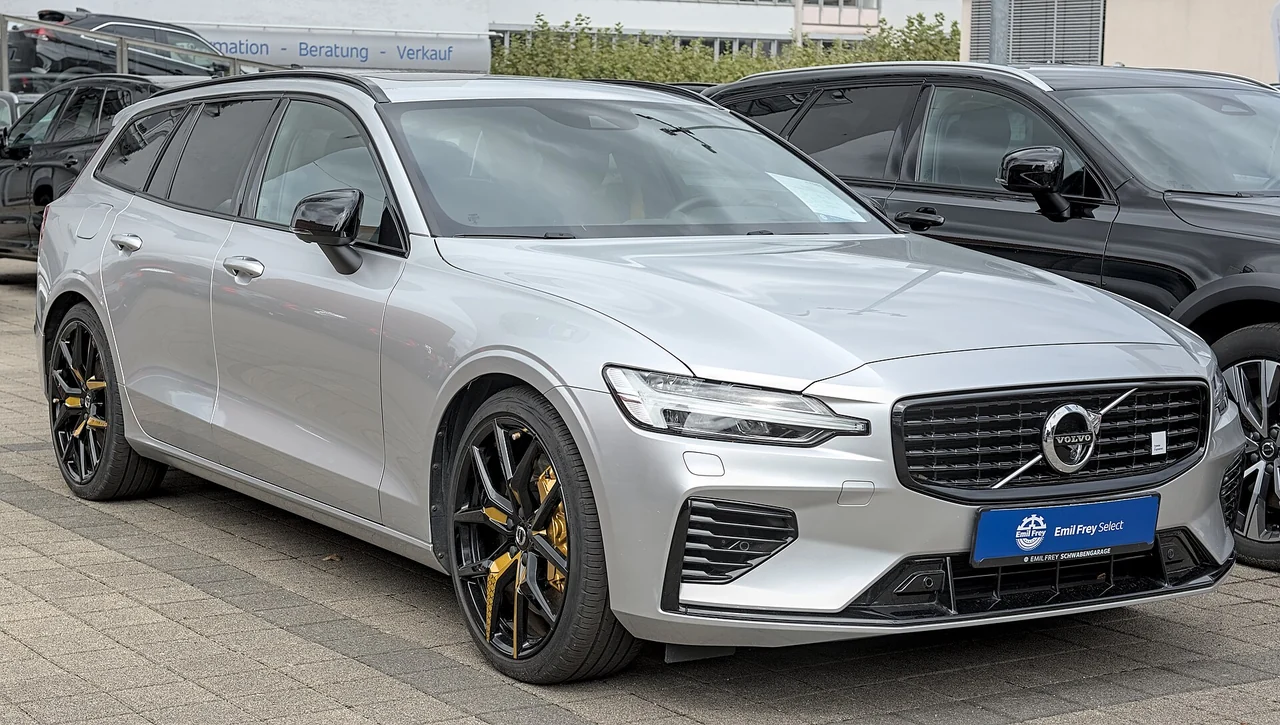

A wagon can provide a long load area without the height of an SUV. That may be exactly what you need, or a poor fit for your passengers. Bring the objects and people that will use the car rather than making the decision from a silhouette.
Measure the useful space
Check the narrowest opening, floor length and height beneath the cargo cover. Test the rear seats in the positions you need. If an object only fits with a passenger seat folded, decide whether that arrangement is realistic for the journeys you make.
Try entry and loading
Assess how far you lift luggage and whether anyone finds the seating position awkward. A lower load floor can be useful, but roof shape and opening dimensions can still limit access. Ask intended passengers to try both candidates instead of choosing on their behalf.
Compare exact drivetrains
Some wagons and SUVs offer AWD, while others do not. Verify equipment and service history for each VIN. A wagon is not automatically an economical front-wheel-drive alternative, and an SUV is not automatically a winter-ready AWD vehicle.
Price the less obvious differences
Get tire and insurance quotes and consider local service access. A rare premium wagon can have a very different ownership budget from a common compact SUV. Compare similar equipment and condition before attributing every cost difference to body style.
Make the decision around the job
For frequent bulky loads with moderate height, a wagon may work well. For passengers who prefer a different seat height or for taller cargo, an SUV may suit better. If neither carries the required combination comfortably, consider a minivan or another size rather than forcing a fashionable category to fit.
Sources and checks
- US EPA / DOE: Fuel Economy — Find ratings for the exact year and powertrain; example consumption figures are assumptions.
Sources checked November 2, 2026. Examples are illustrative; current terms and vehicle-specific instructions must be verified.