AWD vs. FWD for a Used Car: Start With Your Roads and Tires
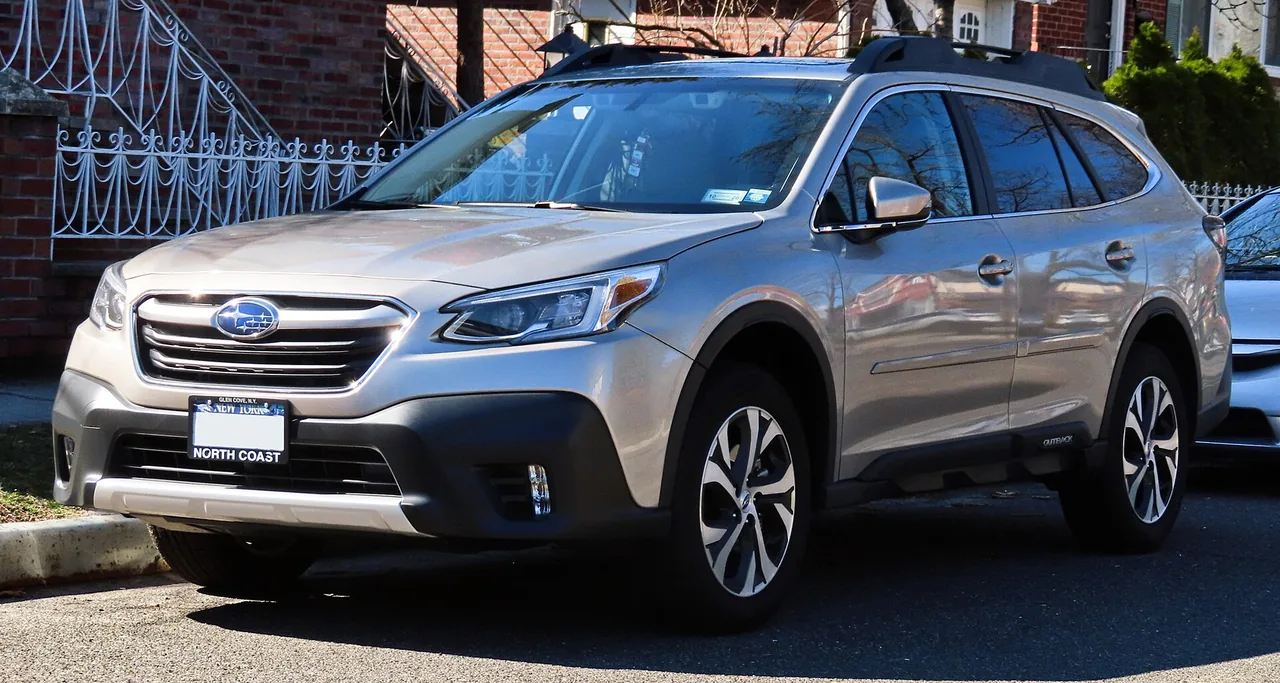

One family leaves a steep driveway before the snowplow arrives. Another drives a short route on treated city streets. They can live in the same town and have different reasons to pay for all-wheel drive.
Start with your route and the conditions you must travel in. Then consider tires and the condition of the particular used car. An AWD badge cannot answer those questions by itself.
What the drivetrain changes
Front-wheel drive sends propulsion through the front wheels. All-wheel-drive systems can send it to both axles, with behavior that varies by design. That can help a vehicle get moving when traction is limited.
Braking and cornering still depend on available tire grip, speed, surface and vehicle condition. Do not interpret easier acceleration as evidence that stopping distances have improved by the same amount.
Describe the difficult journey
Is it a steep unplowed road, a wet paved commute or occasional travel to a ski area? Can you delay a trip in severe conditions? Do local rules require particular tires or traction equipment?
A front-wheel-drive car with appropriate tires may deserve a place on the shortlist for a routine paved commute. Frequent difficult access can make AWD more useful. For either choice, follow local requirements and the owner's manual.
Price the tires before the purchase
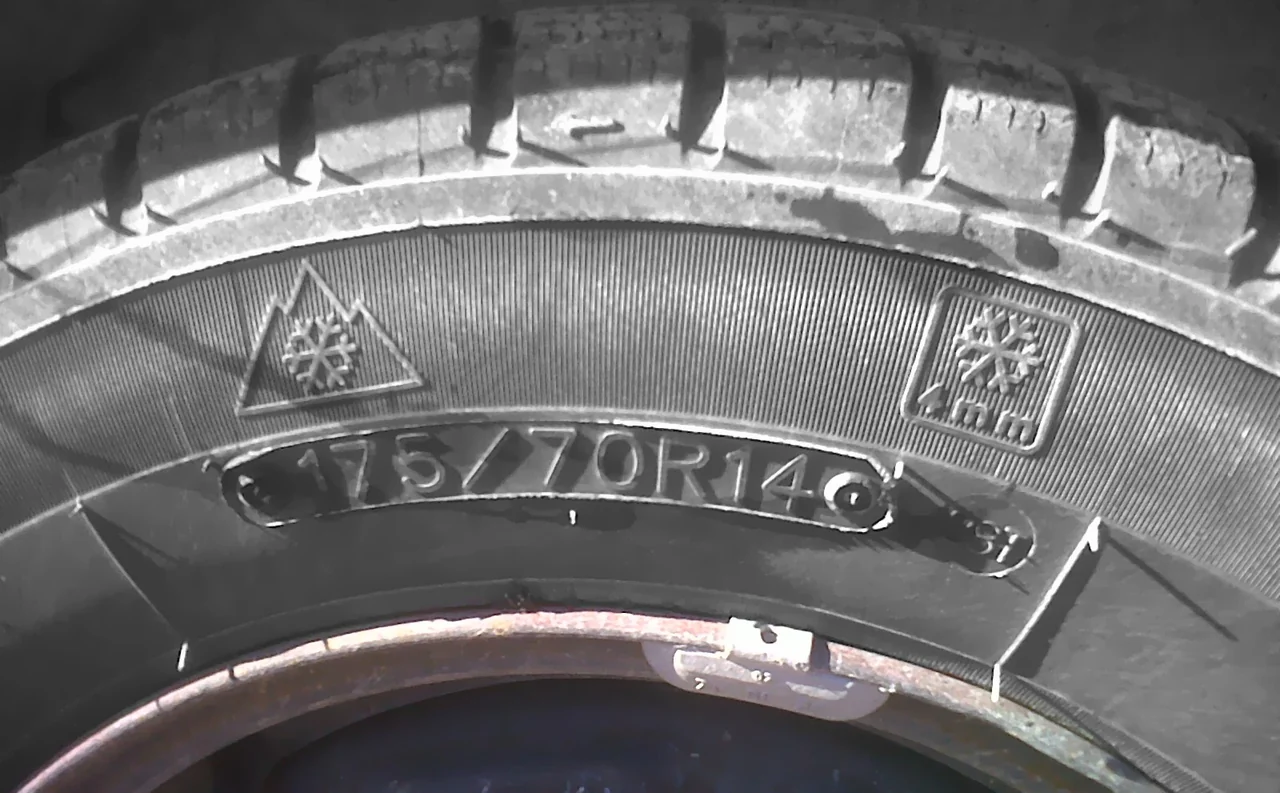
Read the size on the actual vehicle and obtain quotes for the tire setup you need. A used SUV with large wheels may have a very different replacement bill from a base-trim example.
For AWD, ask a shop to assess whether the current tires meet the manufacturer's matching requirements. Uneven wear or mixed tires can require further investigation. Do not rely on an arbitrary tread-depth rule that may not apply to the model.
Inspect the extra equipment
An AWD vehicle has driveline components a front-wheel-drive version may not share. Ask the shop to check relevant leaks, noises, warning messages and service history. Confirm the system is operating as intended rather than assuming four powered wheels are available because the badge is present.
Use the manual for any operating-mode test. Some systems act automatically; others provide driver-selectable settings. A generic test copied from another model can be inappropriate.

Compare equivalent cars
| Compare | Avoid mixing in |
|---|---|
| Similar year and condition | A newer car's entire price premium |
| Same essential equipment | A luxury trim package you do not need |
| Fuel and maintenance assumptions | Unverified seller cost claims |
| Correct tires for your use | The cheapest tire quote in a different size |
When both options meet your travel needs, compare purchase totals and inspection findings. When access makes AWD valuable, budget for the whole vehicle, including tires and maintenance. The useful choice is the one you can safely use and afford on an ordinary winter morning.
Sources and checks
- NHTSA: Winter Driving Tips — Prepare tires and driving plans for conditions; follow vehicle-specific instructions.
Sources checked November 2, 2026. Calculations are illustrations, not dealer or lender offers. Confirm current terms for the vehicle and transaction.