Used SUVs Under $20,000: What to Compare Before the Badge
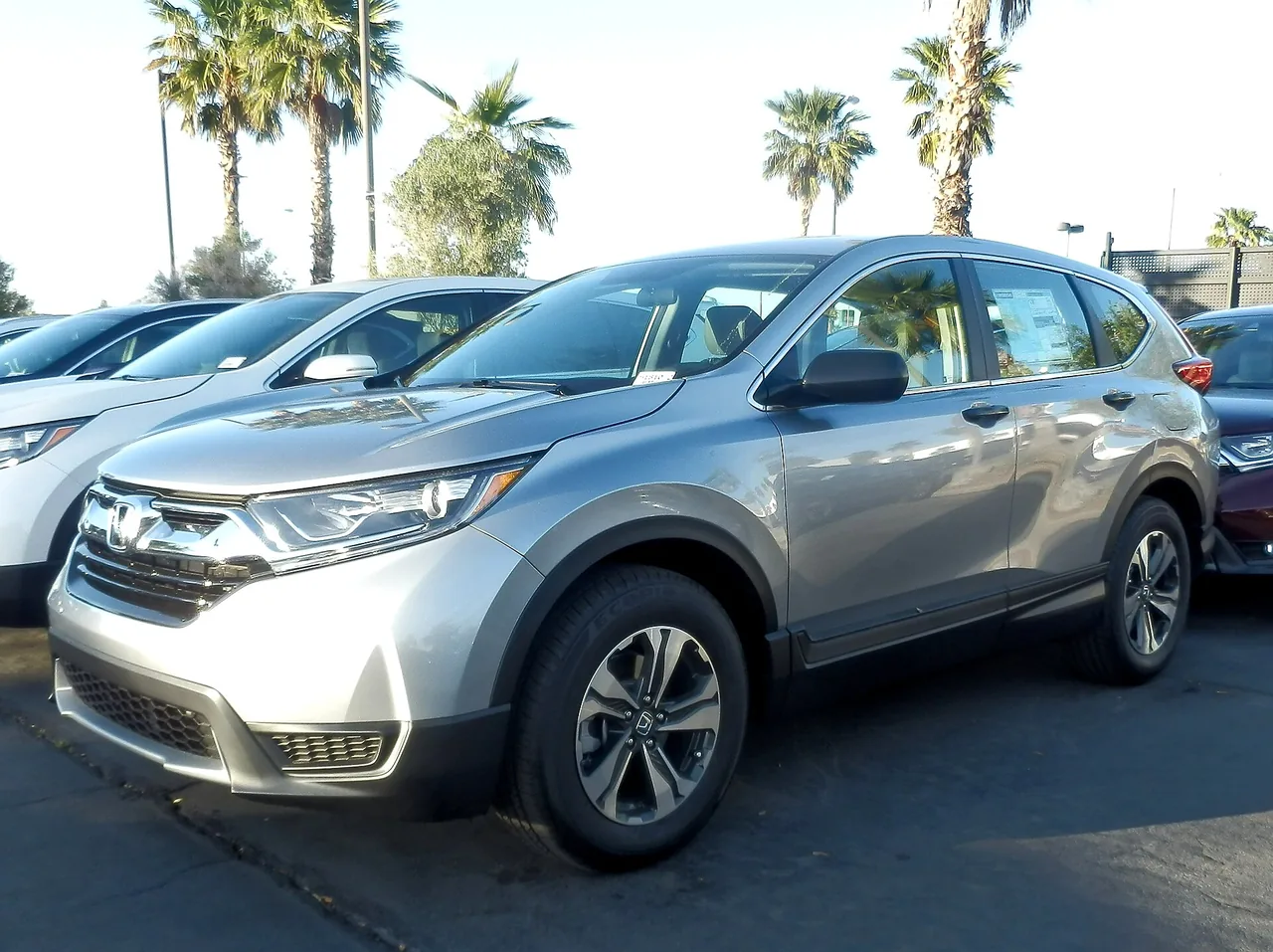

The best used SUV under $20,000 is the one that fits the job and survives a careful inspection. A newer dashboard cannot compensate for worn tires, missing maintenance or a purchase total beyond your limit.
Use $20,000 as a ceiling to plan around, not evidence that any model mentioned here is available at that price. Age, mileage, trim and region change the listings you will find.
Start with compact SUVs
The Honda CR-V, Toyota RAV4, Mazda CX-5, Subaru Forester and Ford Escape are useful comparison candidates. They offer different combinations of seating, visibility and cargo access. Select actual examples within your budget, then compare their exact model years and engines.
Do not turn a model-level shortlist into a reliability ranking. A neglected example of a popular model can be a worse purchase than a well-kept alternative. Look up recalls and maintenance requirements for the VIN you intend to buy.
Give each candidate the same practical test
- Set the driver's seat for the tallest regular driver, then sit directly behind it.
- Load your stroller, pet crate or mobility equipment without folding seats you need for passengers.
- Check rear-door opening space in a parking bay similar to yours.
- Read the tire size and obtain a replacement quote for a complete set.
- Try the backup camera and every seat adjustment in daylight.
If a compact SUV fails one essential test, remove it from the list. Buying a bigger vehicle makes sense when you need its space; buying one to avoid measuring can create years of extra expense.
Decide whether AWD earns its cost
Ask where you actually drive. For a paved urban commute, compare a front-wheel-drive example with suitable tires before insisting on all-wheel drive. For frequent snow or steep access roads, examine AWD options, the owner's manual and local tire requirements together.
AWD equipment adds components to inspect. Have the shop check for leaks, noises and tire mismatch. Do not assume the presence of an AWD badge establishes winter braking performance.
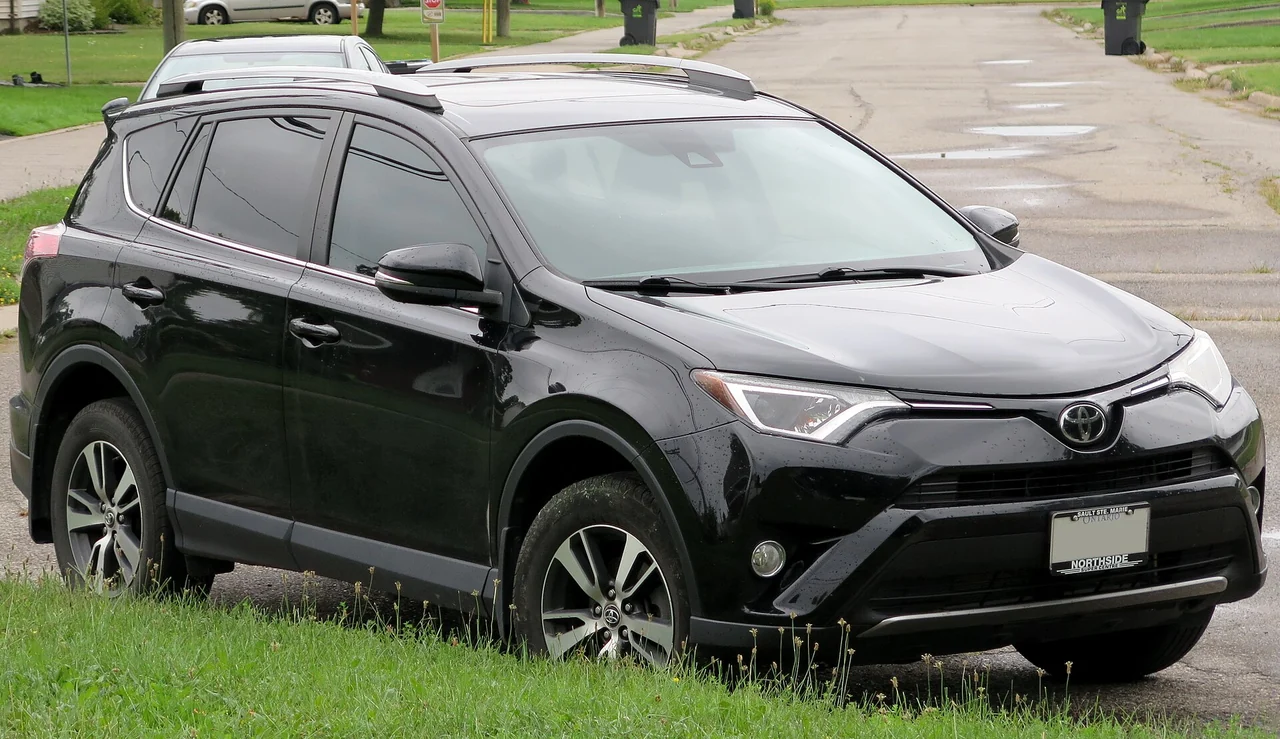

Read the inspection through your budget
Ask for a written assessment of brakes, tires, suspension, fluid leaks, cooling, warning lights and evidence of crash repair. A specialist should evaluate powertrain-specific concerns. A generic “passed inspection” line does not tell you what was tested.
Compare the purchase total plus immediate work. Keep long-term ownership estimates separate so an uncertain resale prediction does not hide a real repair bill due next week.
Use a three-car comparison
| Purchase | Condition | Daily use |
|---|---|---|
| VIN and exact trim | Service invoices | Rear-seat fit |
| Itemized total | Inspection repairs | Cargo loading |
| Insurance quote | Tire replacement cost | Parking and visibility |
Choose between those cars, rather than between abstract reputations. If all three need work that exhausts the reserve, lower the asking-price target or consider a sedan or hatchback. The point of the budget is to keep the vehicle usable after you buy it.
Sources and checks
- IIHS: Vehicle ratings — Look up model-year ratings and equipment qualifications, rather than assuming all trims share them.
- NHTSA: Check for Recalls — VIN recall lookup and the limitations of its results.
Sources checked November 2, 2026. Calculations are illustrations, not dealer or lender offers. Confirm current terms for the vehicle and transaction.