Choosing a Used Family SUV: Start With Seats, Not Seat Count

Picture the trip home from the airport: two adults, three children, car seats and everyone's bags. A listing that says “seven seats” has answered only one part of that problem.
Before shopping for a used family SUV, write down who sits where and what must travel with them. Then test the arrangement in the actual car. Everyday access often settles the choice faster than a specification comparison.
Draw the seating plan
List the child seats, boosters and adults who regularly travel together. Check the vehicle manual and child-seat instructions for appropriate positions and installation methods. Do not assume every seating position has the same anchors or allows the same installation.
Bring your seats to the viewing. Confirm that the front passengers can sit correctly after a rear-facing seat is installed. If someone must reach the third row, test the route without moving an occupied or installed seat in a way the manuals do not permit.
Try the third row as you will use it
Ask the intended passenger to climb in. Check headroom, leg position, belt fit and how easily they can exit. An occasional short journey and a daily school run create different requirements.
Try doors and seat-folding mechanisms several times. Sticky latches or damaged trim are easier to notice when you use the seats than when you simply look into the cabin.
Load luggage with every required seat upright
The cargo figure with rows folded will not help if those rows are occupied. Bring the stroller or use dimensions from your real luggage. Check the opening, load height and whether essential items can be carried without interfering with passenger restraints or visibility.
Compare a two-row compact SUV if you rarely need extra seats. Also consider whether a minivan's access and packaging solve the problem more directly. You are choosing a family tool, so the body style should earn its place.


Useful candidates, with a condition check
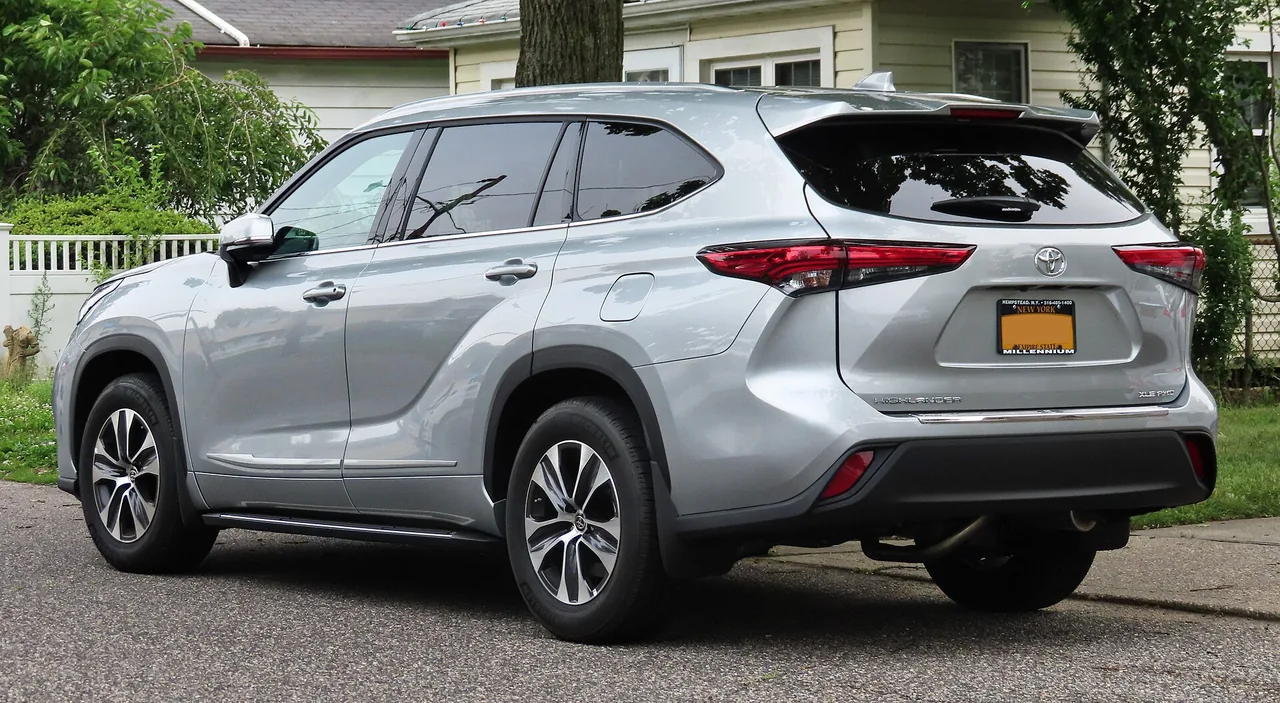
A Toyota Highlander or Honda Pilot can provide starting points for a three-row search; a RAV4 or CR-V can anchor a two-row comparison. These are examples to investigate, not a safety or reliability ranking. Exact year and trim determine equipment and layout.
Look up applicable crash-test information and confirm driver-assistance features on the vehicle itself. Ask the inspector to check warning lights, visible restraint components and disclosed crash repairs. A feature listed in an advertisement may be absent, disabled or in need of repair.
Think about the weekday bill
Get insurance and replacement-tire quotes. Compare fuel costs for your mileage. Allow for the inspection's immediate repairs before deciding whether a larger or better-equipped example fits the budget.
Finally, park it somewhere representative. Can you open the rear door enough to help a child into a seat? Can the regular driver see comfortably and reach the controls? A family SUV earns its value during those ordinary moments, long after the appeal of an extra screen has faded.
Sources and checks
- IIHS: Vehicle ratings — Look up model-year ratings and equipment qualifications, rather than assuming all trims share them.
Sources checked November 2, 2026. Calculations are illustrations, not dealer or lender offers. Confirm current terms for the vehicle and transaction.