Used Minivan vs. Three-Row SUV: A Family Loading Test
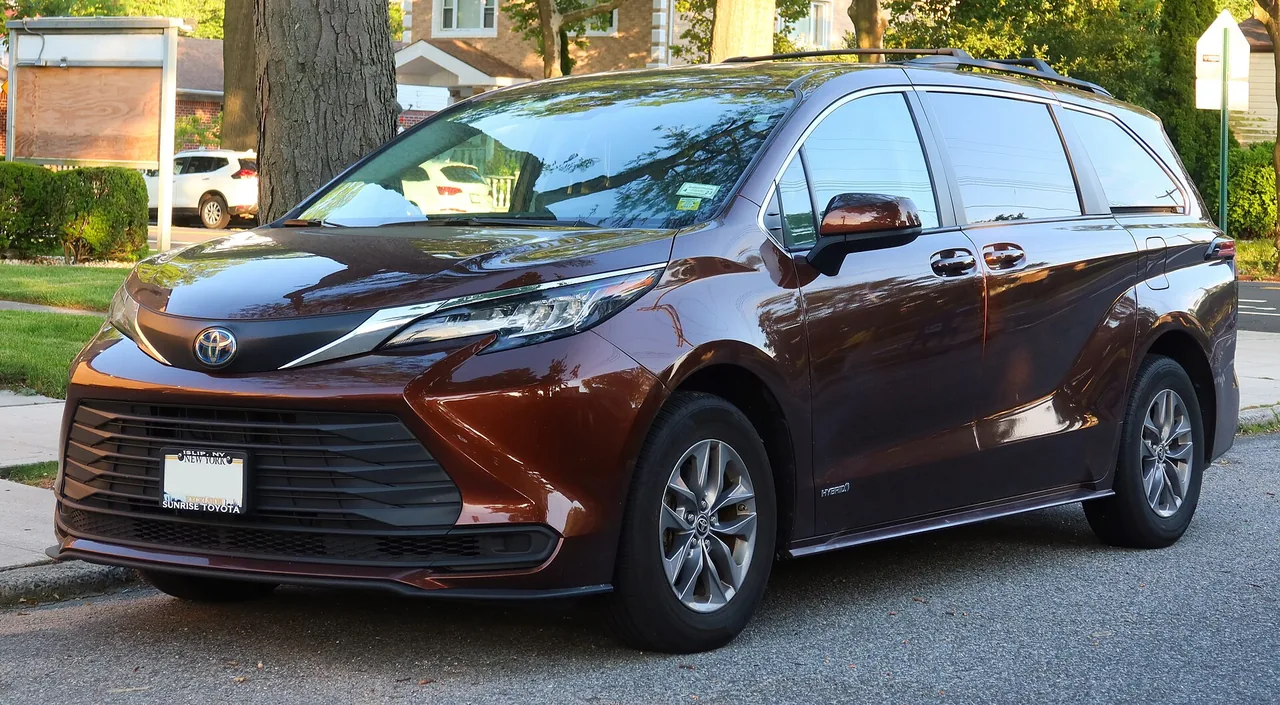

A third row adds seats; it does not automatically add an easy school run. Compare how passengers enter, where child seats fit and what luggage remains possible with every required seat occupied. A minivan and an SUV deserve the same practical trial.
Begin with your actual passengers
Write down who sits in each position on an ordinary journey. Bring the child seats you intend to use and consult both sets of instructions. Check installation positions, access and space for front passengers before comparing optional entertainment systems.
Open the doors in a tight space
Sliding doors can change how a family loads passengers beside another parked car, but test the actual mechanisms and opening dimensions. An SUV’s hinged doors may work well in your circumstances. Inspect powered doors and tailgates for correct operation rather than assuming convenience equipment is trouble-free.
Leave the third row upright
Pack the bags you need when all seats are used. Try the stroller and any mobility equipment. A cargo figure measured with folded seats cannot answer whether the airport trip works. Check storage under or around the load floor where appropriate.
Compare capabilities you will really use
If towing, ground clearance or a difficult access road matters, verify the exact vehicle’s limits and configuration. Do not assume a particular body shape establishes towing suitability. If those capabilities are rarely needed, decide whether they justify the purchase and running-cost differences.
Inspect before choosing a layout
Have the seats, belts, latches, HVAC and door mechanisms assessed alongside the powertrain and structure. A family-friendly layout loses its benefit if essential equipment needs unaffordable repairs. Pick the individual vehicle that supports your seating plan, luggage and budget together.
Sources and checks
- NHTSA: Car seats and booster seats — Use the vehicle and restraint instructions and seek qualified fitting help where needed.
Sources checked November 2, 2026. Examples are illustrative; current terms and vehicle-specific instructions must be verified.