Check Child-Seat Fit Before Buying the Used Car
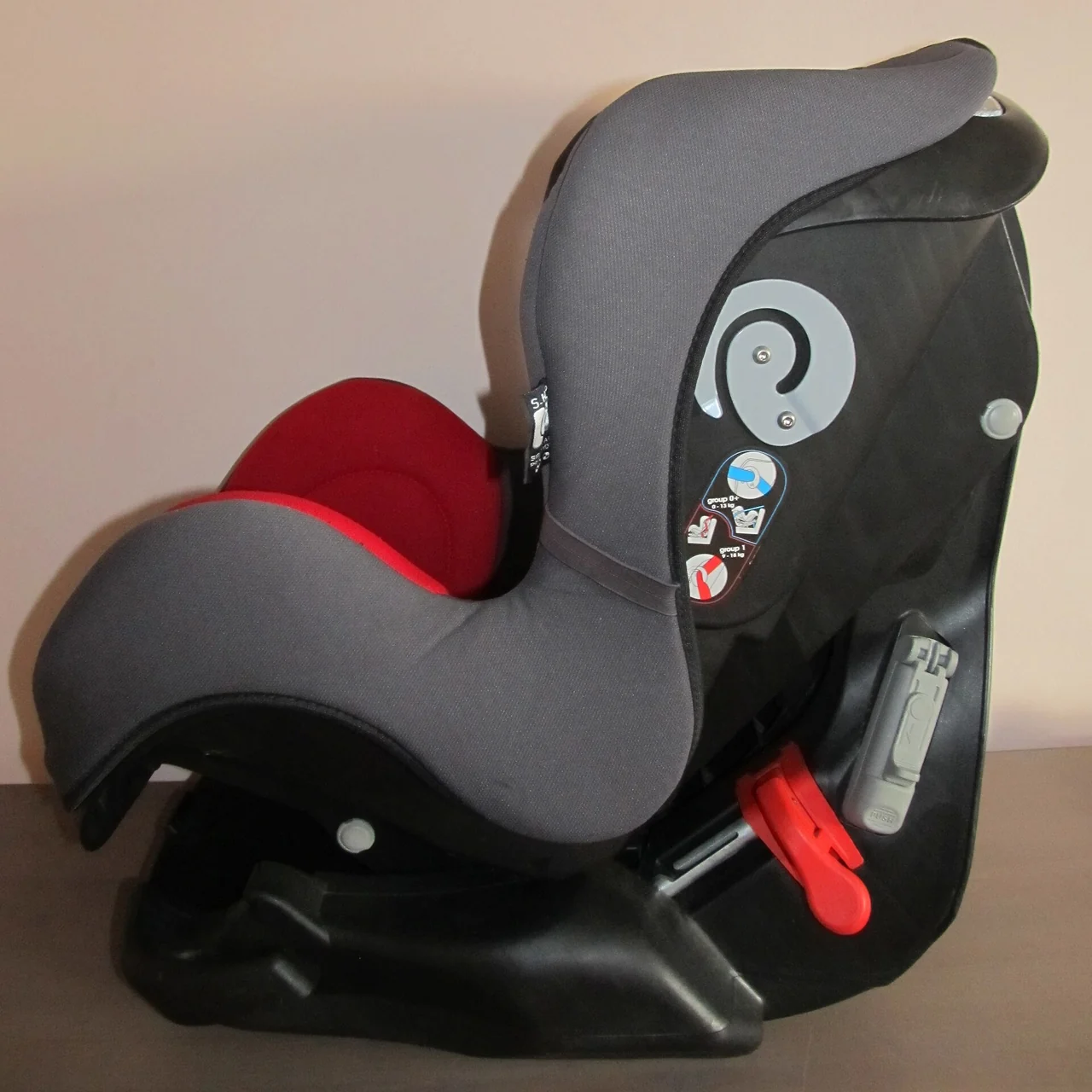

A wide rear bench does not establish that your child seats will fit correctly. Installation depends on the vehicle, the restraint and the positions you intend to use. Bring the actual seats and consult both the vehicle manual and the child-seat instructions.
Draw the required arrangement
Identify which passengers and restraints travel together. Consider front-seat positions, access to buckles and how a third-row passenger enters. Do not assume every rear position has the same anchors or permits the same installation method.
Arrange permission for a fitting check and follow the instructions carefully. Verify that front passengers can sit appropriately after installation. If uncertain, seek help from a qualified child-passenger-safety technician rather than improvising a method that appears to fit.
Look at daily access
Can you place the child in the seat and adjust the harness without an awkward reach? Do the doors open enough in your usual parking space? A technically compatible arrangement may still create a daily loading problem worth comparing with another vehicle.
Ask the inspector about visible belts, buckles, seat latches and any restraint-system warnings or disclosed crash repairs. A missing or damaged component needs appropriate assessment before use. An attractive interior does not establish correct restraint-system condition.
Keep secondhand-seat questions separate
A car purchase does not verify the history or suitability of a child seat left inside it. Use current NHTSA guidance and the seat manufacturer’s information for that decision. Choose the vehicle after the real seating plan works, not after assuming a larger exterior will solve every fitting issue.
Sources and checks
- NHTSA: Car seats and booster seats — Use the vehicle and restraint instructions and seek qualified fitting help where needed.
Sources checked November 2, 2026. Examples are illustrative; current terms and vehicle-specific instructions must be verified.