Used EV Winter Range: Plan the Difficult Day
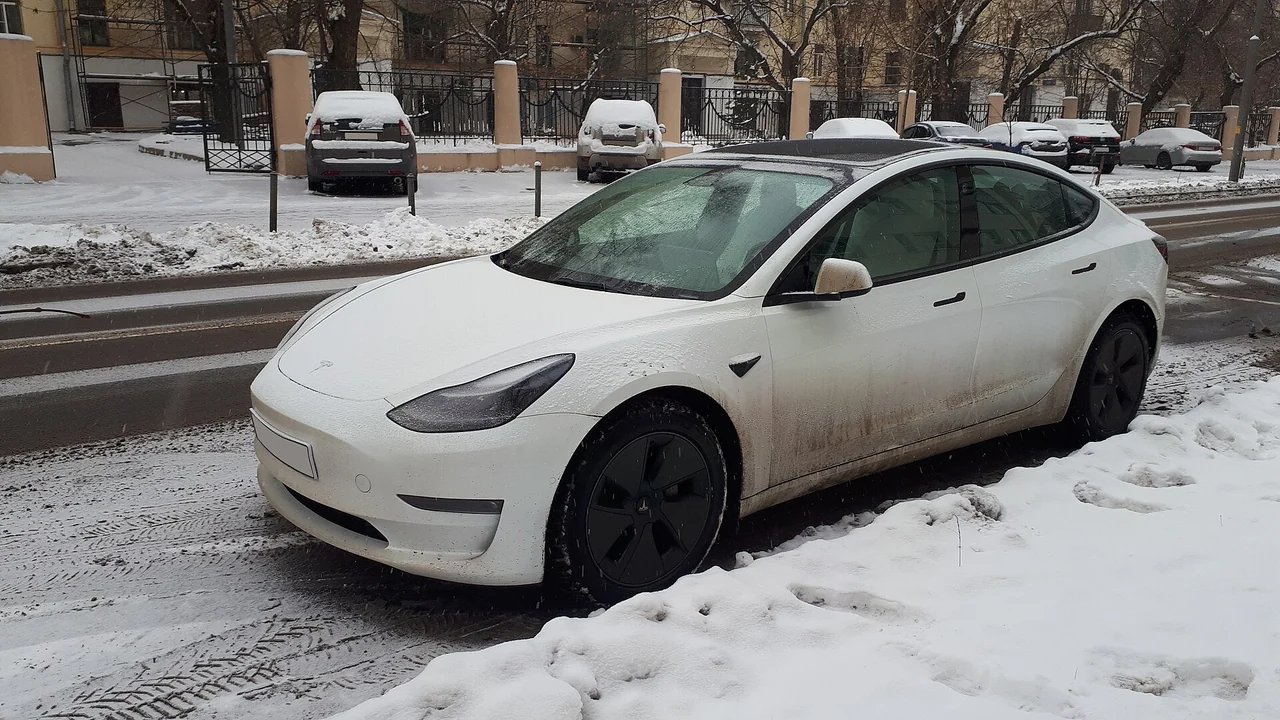

A summer range display cannot establish whether a used EV will cover your longest winter journey. Plan around the route you must complete, the charging available along it and a reserve that does not depend on ideal weather.
Use the right starting information
Identify the battery version, available health evidence and manufacturer guidance. Official ratings provide a common comparison basis, but your speed, terrain, temperature and cabin heating can change energy consumption. Avoid applying one universal winter-loss percentage to every vehicle.
Build a route-specific scenario
Suppose a journey needs 120 miles of driving. At an assumed 0.30 kWh per mile it uses 36 kWh; at 0.38 it uses 45.6 kWh. These are illustrative consumption assumptions. Compare both with usable energy and your intended operating reserve, not the battery’s marketing capacity alone.
Check the stop as well as the distance
Confirm compatible charging, opening hours and an alternative site. Cold conditions can affect the time a session takes. Follow the vehicle’s guidance on battery preparation and charging. Do not assume a familiar summer stop will take the same time in winter.
Inspect ordinary winter equipment
Tires, lights, wipers, heating and defrosting still matter. Ask the inspector to check relevant systems and follow the owner’s manual. AWD does not replace suitable tires or cautious driving, and an EV’s acceleration is not a measure of its stopping grip.
Leave room for disruption
Consider a detour, an occupied charger or time spent stationary with heating. If the car only fits when every input is favorable, compare an alternative or a different charging plan. The aim is comfortable transport on the day you cannot postpone, rather than reproducing the best range screenshot in the advertisement.
Sources and checks
- NHTSA: Winter Driving Tips — Prepare tires and driving plans for conditions; follow vehicle-specific instructions.
Sources checked November 2, 2026. Examples are illustrative; current terms and vehicle-specific instructions must be verified.