Buying a Used EV in 2026: The Checks That Matter Before Payment
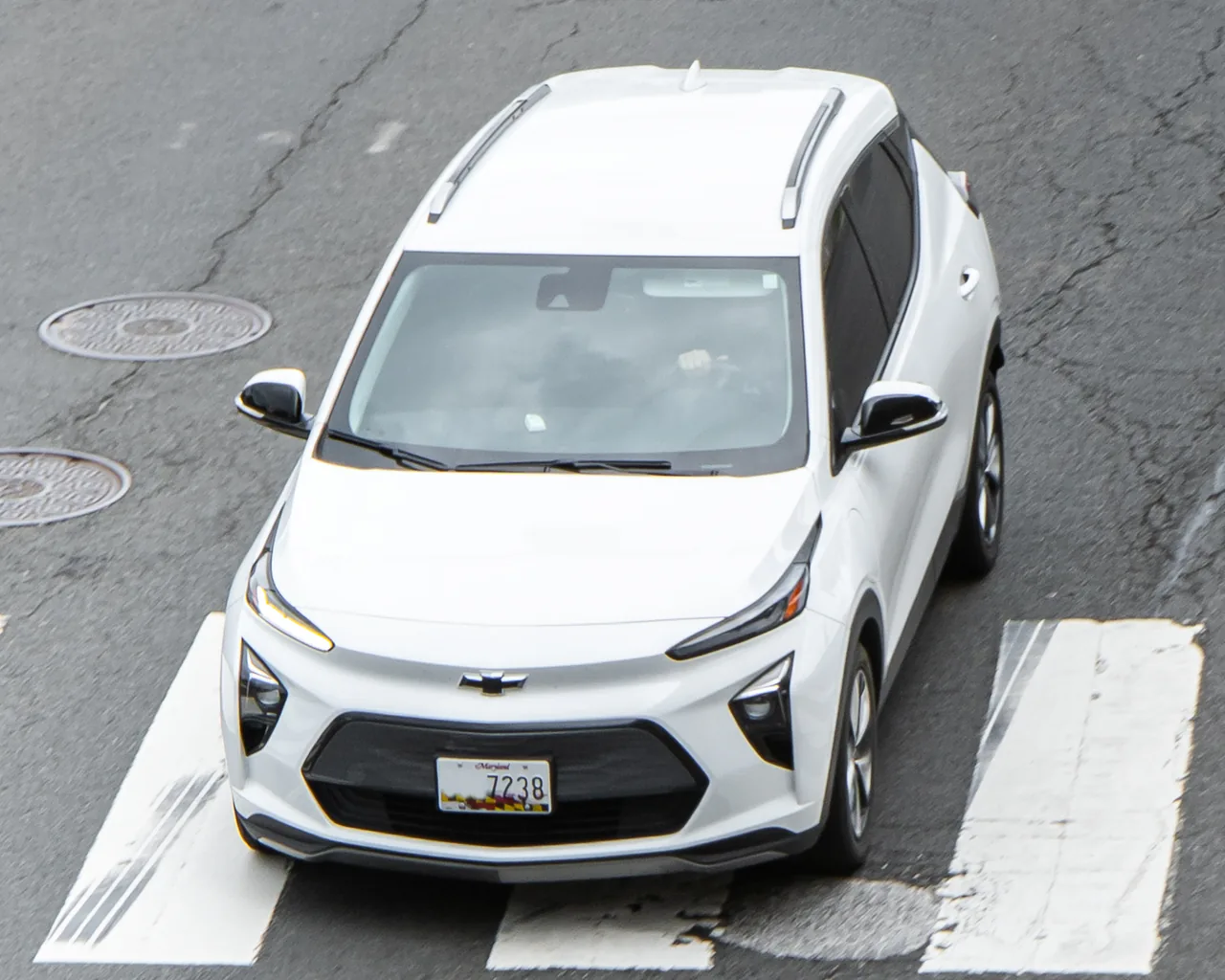

A cheap used electric car is only useful if you can charge it and it covers your difficult days. Start with those two questions before comparing screens, acceleration or a range number in an advertisement.
Write down the longest routine trip you must make in poor weather. Then identify the charging arrangement you can actually use. A nearby public charger is not the same as an available, affordable charger when you arrive home at night.
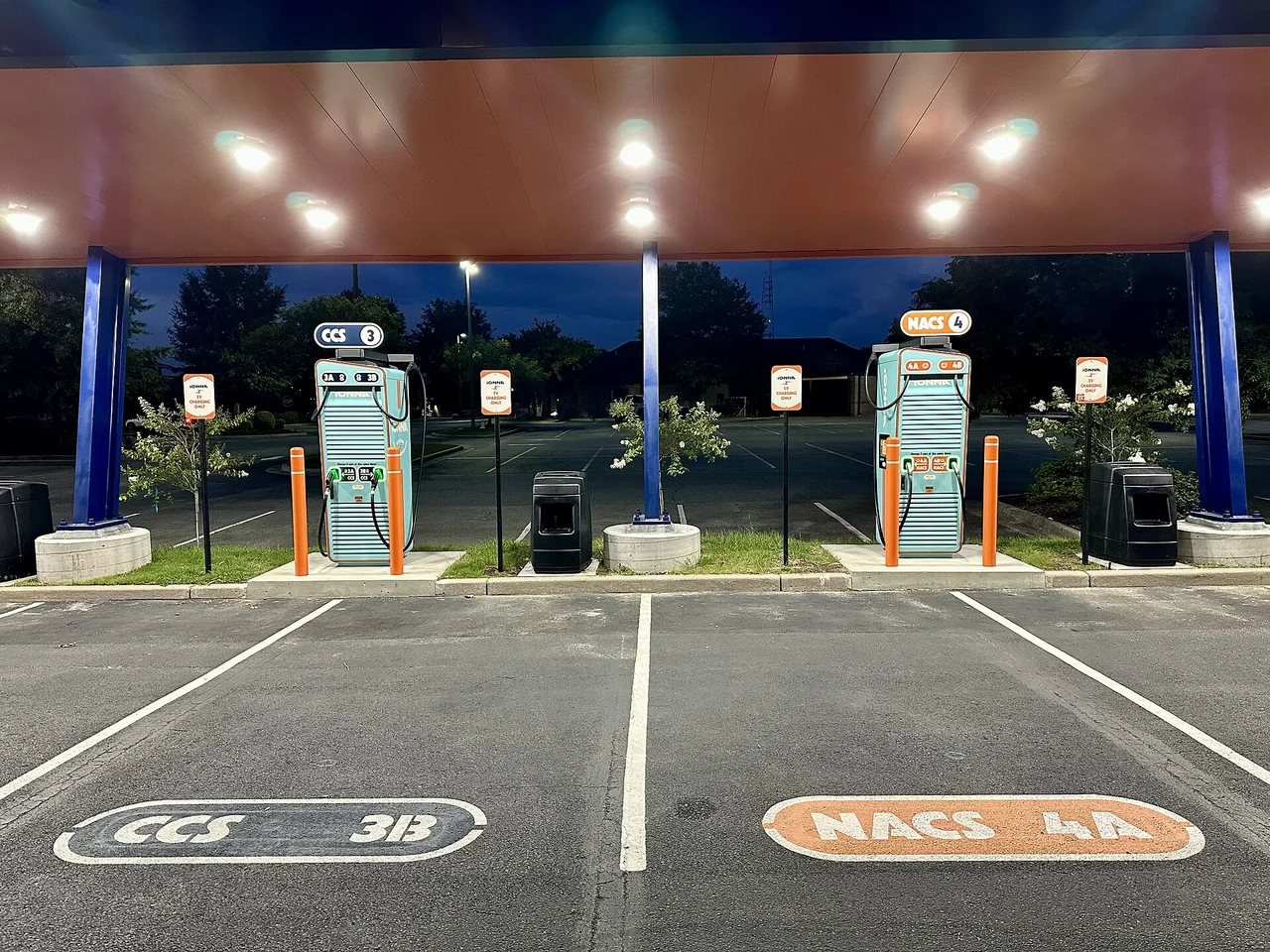

1. Establish a workable charging plan
At home, confirm parking access, permission where needed and the electrical work required. Obtain an installation assessment rather than assuming an existing outlet is appropriate. In an apartment, read the building's rules before committing to the vehicle.
For public charging, check connector compatibility, pricing, access hours and the sites along your regular routes. An adapter's physical fit does not prove the car can use every station. Verify the manufacturer-supported combinations for the exact vehicle.
2. Ask for battery evidence
Request available battery-health diagnostics, service history and details of any pack replacement. Ask who performed the test and whether it measures usable capacity or merely reports the vehicle's own estimate.
The dashboard's remaining-range number changes with recent use and conditions. It is not a laboratory capacity test. If the seller provides only a photo of “100%” charge, you still do not know the pack's usable energy.
3. Verify the warranty against the VIN
Ask the manufacturer or an authorized service center to confirm the in-service date, remaining coverage and any restrictions. Read the capacity-loss terms separately from coverage for a battery defect. Title status, import history or previous repairs may affect eligibility.
Do not apply a warranty from the current new-car website to an older used model. Coverage and exclusions can change by model year and market.
4. Inspect the rest of the car
Arrange a shop familiar with that EV. Include tires, suspension, brakes, cooling systems, the 12-volt system, charging ports and accessible underbody areas. Damage near a battery enclosure needs qualified assessment. Never open high-voltage equipment yourself.
During an agreed test, check AC charging and, where practical, DC charging. Record the circumstances. One slow fast-charge session is a clue to investigate, not proof of a bad battery; charge level, temperature and station limits affect power.
5. Recheck the deal itself
Search the VIN for recalls and ask for evidence of completed remedies. Confirm keys, charging cables, account transfer and any paid software features in writing. Check whether advertised features remain with the vehicle after the ownership transfer.
For vehicles acquired after September 30, 2025, the IRS says the federal Previously-Owned Clean Vehicle Credit is unavailable. Do not subtract an old $4,000 credit from a 2026 purchase calculation. State and utility programs need a separate current check.
Before payment, you should be able to explain how you will charge the car, why its usable range fits your trips and which repair risks remain yours. If one answer is missing, there is still useful work to do before buying.
Sources and checks
- IRS: Previously-Owned Clean Vehicle Credit — Acquisition cutoff and historical acquisition-versus-service distinction.
- NHTSA: Check for Recalls — VIN recall lookup and the limitations of its results.
- US DOE: Maintenance and Safety of Electric Vehicles — Combustion-engine maintenance remains relevant to hybrids; high-voltage systems require qualified attention.
Sources checked November 2, 2026. Calculations are illustrations, not dealer or lender offers. Confirm current terms for the vehicle and transaction.