Used EV Tax Credit in 2026 and 2027: Do Not Budget an Expired Benefit
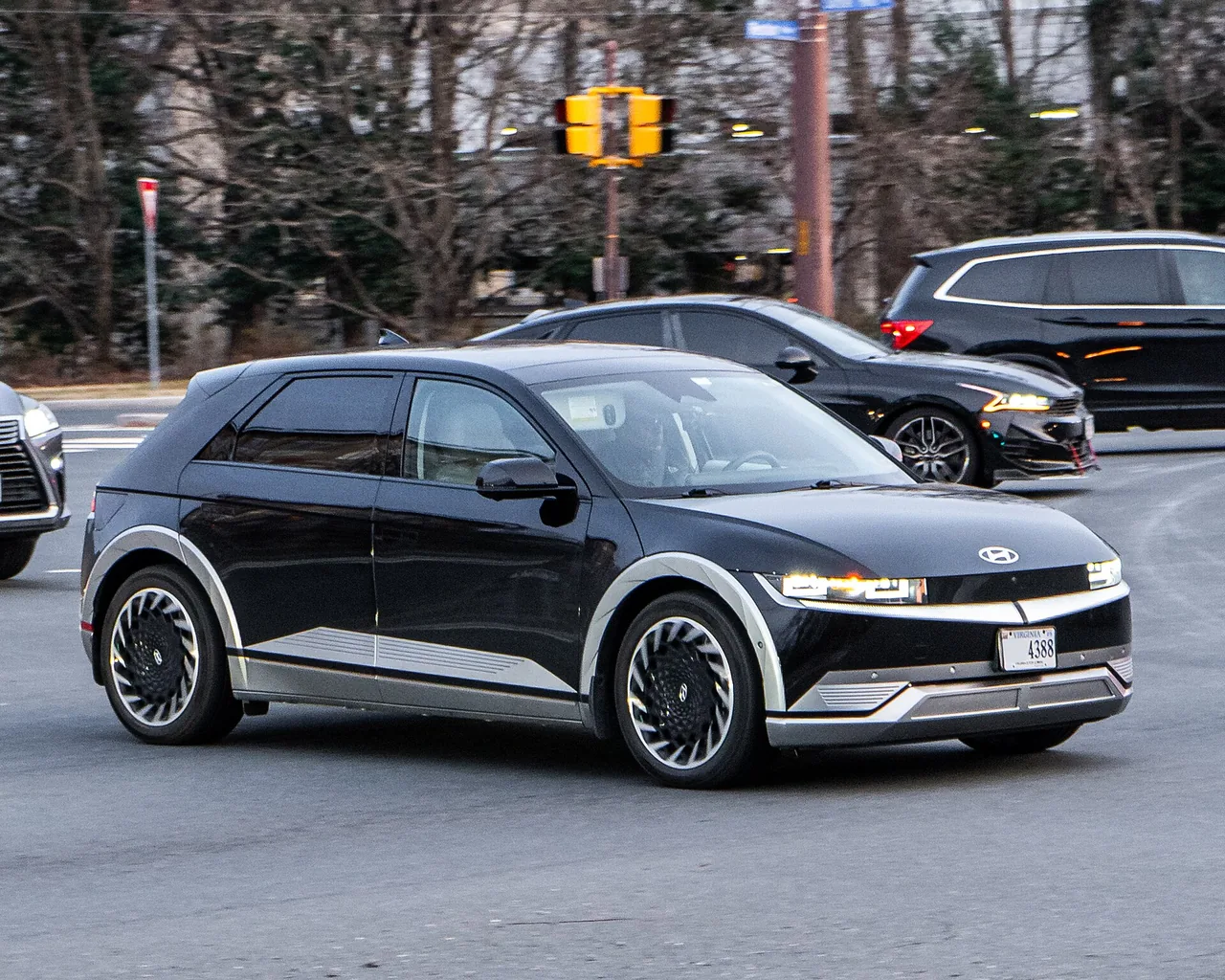

The federal Previously-Owned Clean Vehicle Credit is not available for vehicles acquired after September 30, 2025, according to the IRS. For an ordinary new purchase in 2026, do not take $4,000 off the advertised price because an old article says a used EV qualifies.
This article reflects the IRS guidance checked on November 2, 2026. It does not assume a federal credit will return in 2027. Recheck the official guidance before a later transaction; proposed changes are not an enacted benefit.
Why old price examples are misleading
Search results and saved dealer pages can preserve the earlier rules. A listing might show an “effective price” that assumes a credit, a local rebate, financing conditions or several benefits together.
Ask for the vehicle's cash selling price and an itemized out-the-door total without assumed tax benefits. Request a separate explanation of every incentive: program name, eligibility, application process and whether the advertised figure already includes it.
Do not confuse a past acquisition with a new purchase
The IRS describes circumstances involving vehicles acquired on or before the cutoff and placed in service later. Its guidance refers to a binding written contract and a payment by the acquisition deadline. That historical exception does not make a newly agreed 2026 purchase eligible.
If you are resolving a transaction that began before the cutoff, use the current IRS instructions and your actual documents. Do not rely on a seller's verbal assurance or this general article to decide a tax filing position.
State and utility programs require their own checks
A federal program ending does not tell you the status of every local program. Search the official state agency and your electricity provider. Confirm whether a program covers used vehicles, whether funds remain and whether you must apply before buying.
- Does the address on the purchase paperwork meet residency requirements?
- Are there income, vehicle-age, price or dealer requirements?
- Is approval required before signing?
- Who receives the money, and when?
- Can the program be combined with another benefit?
A program page is not an approval letter. Save the terms that apply to your application date and budget for the timing of any reimbursement.
Compare the car without a hypothetical rebate
Consider a fictional listing with a $19,500 cash price and an advertisement showing $15,500 “after credit.” If the assumed $4,000 credit is unavailable, the vehicle remains $19,500 before the actual purchase charges. It is not a $15,500 deal.
Run charging, insurance and inspection costs using the amount you must really pay. If a verified local award later reduces that cost, record it separately. This keeps uncertain eligibility from turning a manageable purchase into a cash shortfall.
What to ask the seller
“Please send the selling price and total without incentives, then identify any program used in your advertised net price.” A clear answer should let you trace the claim to an official current source. If it cannot, compare another listing before sending money.
Sources and checks
- IRS: Previously-Owned Clean Vehicle Credit — Acquisition cutoff and historical acquisition-versus-service distinction.
Sources checked November 2, 2026. Calculations are illustrations, not dealer or lender offers. Confirm current terms for the vehicle and transaction.