Choosing a Used Car That Is Easy to Enter and See Out Of
_(TOYOTA_SIENNA_(XL40))_INTERIOR_(2).jpg)
The easiest car to enter is different for different people. Seat height, sill width, door opening and the position of the steering wheel can matter more than whether the vehicle is called a sedan or SUV. Let the regular user try the actual car.
Try entry without rushing
Park safely with enough room. Adjust the seat and steering wheel, then get in and out several times. Check whether the door stays conveniently open and whether the user must bend, climb or turn awkwardly. A brief showroom impression may miss a problem that repeats every day.
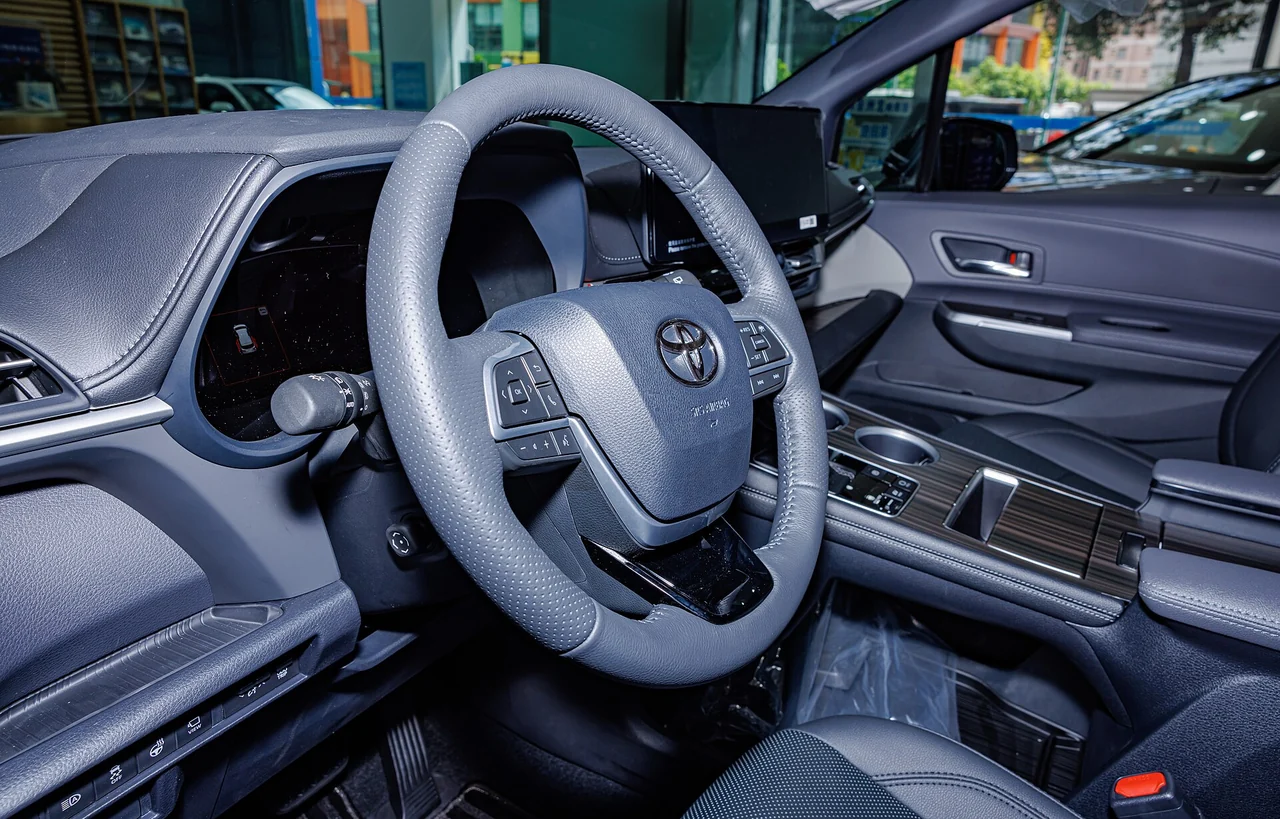
Check the complete driving position
Confirm that the driver can operate pedals and controls appropriately, see the instruments and adjust mirrors. Try belt access and the reach to close the door. If specialized adaptation or professional assessment is needed, establish that before assuming a vehicle will be suitable.
Bring mobility equipment
Load the walker, folded chair or other equipment actually carried. Check the opening, lifting height and remaining passenger space. Do not assume equipment fits because a published cargo volume looks large.
Use real parking constraints
Consider your garage, driveway and common parking spaces. A wide opening is less useful if the door cannot open far enough beside another car. Cameras and sensors can assist, but they do not remove the need for a usable driving position and appropriate observation.
Inspect the convenience equipment
Check seat motors, heating and ventilation controls, locks and tailgate operation alongside the ordinary mechanical inspection. A feature that solves an access problem needs to work reliably. Select the car around the person’s actual use rather than a general age-based recommendation.
Sources and checks
- IIHS: Vehicle ratings — Look up model-year ratings and equipment qualifications, rather than assuming all trims share them.
Sources checked November 2, 2026. Examples are illustrative; current terms and vehicle-specific instructions must be verified.