Model Year vs. Registration Year: Which Car Are You Comparing?
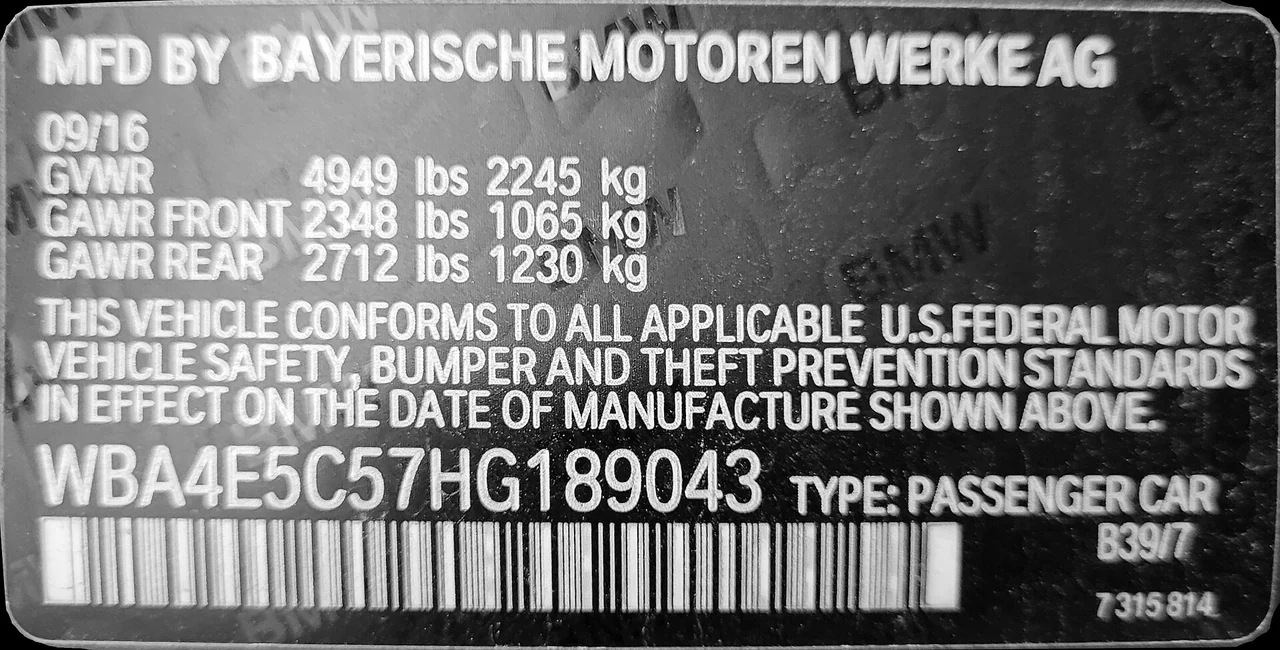


A listing’s year can describe a manufacturer’s model year, a registration date or a seller’s shorthand. Those dates are not necessarily identical. Establish the exact version before comparing equipment, safety information, maintenance or warranty.
Ask which date the seller means
Request the VIN and supporting vehicle documents. Compare the listing with reliable manufacturer or decoding information appropriate to that vehicle. Older vehicles and imports may need additional care; do not assume every identifier follows the same modern format.
Engine choices, features and repair information can change within a model family. A review of the newest version is not evidence about an older generation. Match the year, engine, trim and market before applying specifications.
Check warranty dates separately
A warranty may use an in-service date rather than the model-year label. Ask the manufacturer or authorized service center to confirm remaining coverage for the VIN. An apparently newer registration date does not establish that all time-based coverage started then.
When evaluating two cars, record model year, relevant first-use date, mileage and service dates separately. That avoids treating a title date as proof of physical age or overlooking time-based maintenance. Explain any mismatch before negotiating from it.
Correct the shortlist before choosing
If the advertised year is unclear, obtain a corrected written description. Recheck the applicable ratings and equipment once the version is established. A good comparison begins with the right car identity; otherwise even accurate specifications may be describing a vehicle you are not buying.
Sources and checks
- NHTSA: Check for Recalls — VIN recall lookup and the limitations of its results.
Sources checked November 2, 2026. Examples are illustrative; current terms and vehicle-specific instructions must be verified.