Older With Low Miles or Newer With High Miles?
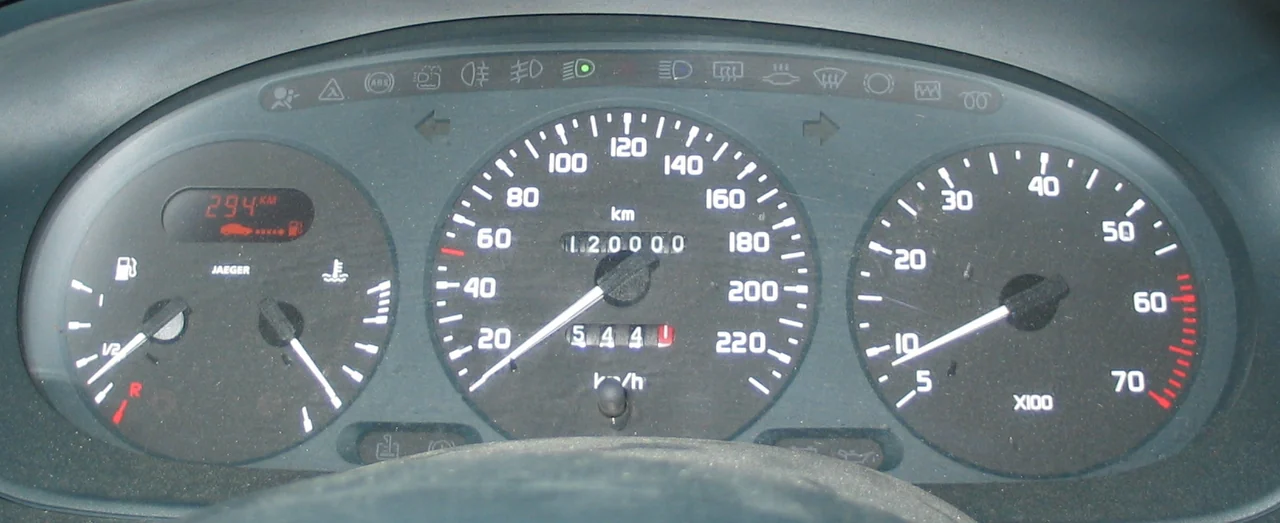

A ten-year-old car with low mileage and a five-year-old car with high mileage can cost the same. The odometers describe different histories, but neither reading predicts the whole ownership bill. Compare what each vehicle needs now and how it will fit the miles ahead.
Give age its own column
Look for time-based maintenance, tire age, corrosion and evidence of storage. Ask how a lightly used vehicle was maintained between trips. Low mileage does not stop rubber components, fluids or batteries from aging.
Give use its own column
For the newer high-mileage car, establish the operating history and service intervals. Do not accept “highway miles” as a mechanical diagnosis. Request dated records and have a shop evaluate the powertrain, suspension, brakes and other relevant areas.
Compare safety and usability carefully
Newer model years may offer equipment absent from an older generation, but verify the exact trim and options. Look up the applicable crash-test information. A feature listed on a model’s current website may not exist on the car for sale.
Project your actual ownership
If you drive 4,000 miles a year, time-based needs may dominate more than for a 25,000-mile commuter. Estimate the age and odometer reading when you expect to sell. Then ask the inspector which scheduled services are likely to fall within that period.
Choose the stronger documented example
Put purchase total, immediate repairs, insurance and scheduled work side by side. Keep uncertain future repairs marked as uncertainties. The better choice is the one whose condition and expected workload suit you, not whichever car wins an isolated age or mileage comparison.
Sources and checks
- NHTSA: Odometer Fraud — Compare reported mileage with dated records and physical condition.
Sources checked November 2, 2026. Examples are illustrative; current terms and vehicle-specific instructions must be verified.