Cargo Capacity Figures Do Not Tell You What Fits
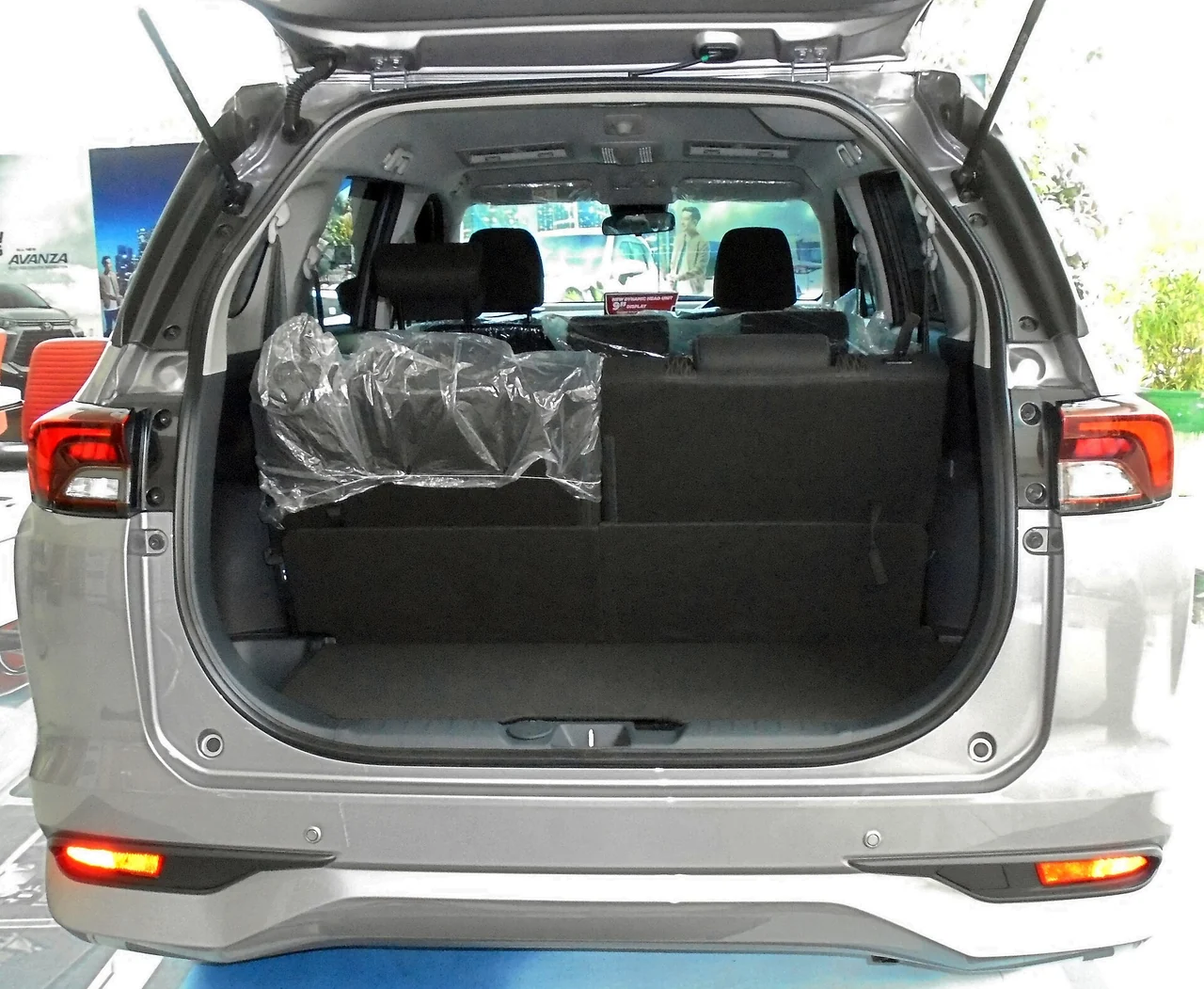

Two cars can advertise similar cargo volume and handle the same object very differently. The opening, floor shape and seat arrangement determine whether your luggage is convenient to load. Measure the actual problem before paying for a bigger vehicle.
Start with an object list
Record dimensions for the stroller, cases, equipment or crate you carry. Mark which passengers travel at the same time. This prevents a comparison based on maximum volume with all rear seats folded when those seats are normally occupied.
Measure the route into the car
Check the narrowest opening, the height over the sill and any protrusions. Try the actual item with permission if practical. An object may fit inside a compartment but be impossible to turn through the opening in its usable orientation.
Test seat folding and reassembly
Operate the relevant seats and latches. Check the floor surface, available tie-down arrangements and whether the headrests or cargo cover need separate storage. Read the manual before assuming a particular loading or restraint method is allowed.
Verify the powertrain and trim
Cargo packaging can vary between versions of the same model. Batteries, spare-wheel arrangements or audio equipment may affect useful space. Do not use a different trim’s photograph as proof that the vehicle for sale has the same floor or storage compartments.
Keep loads within verified limits
Volume and weight capacity are different questions. Consult the vehicle’s labels and manual for appropriate loading and securing guidance. If your normal load is awkward or heavy, choose a vehicle that handles it properly instead of relying on an occasional improvised arrangement.
Sources and checks
- Ford: Towing and payload guidance — Ratings depend on the individual configuration and loading; consult the appropriate model-year guide.
Sources checked November 2, 2026. Examples are illustrative; current terms and vehicle-specific instructions must be verified.