Flood-Damaged Used Cars: Warning Signs Worth Investigating
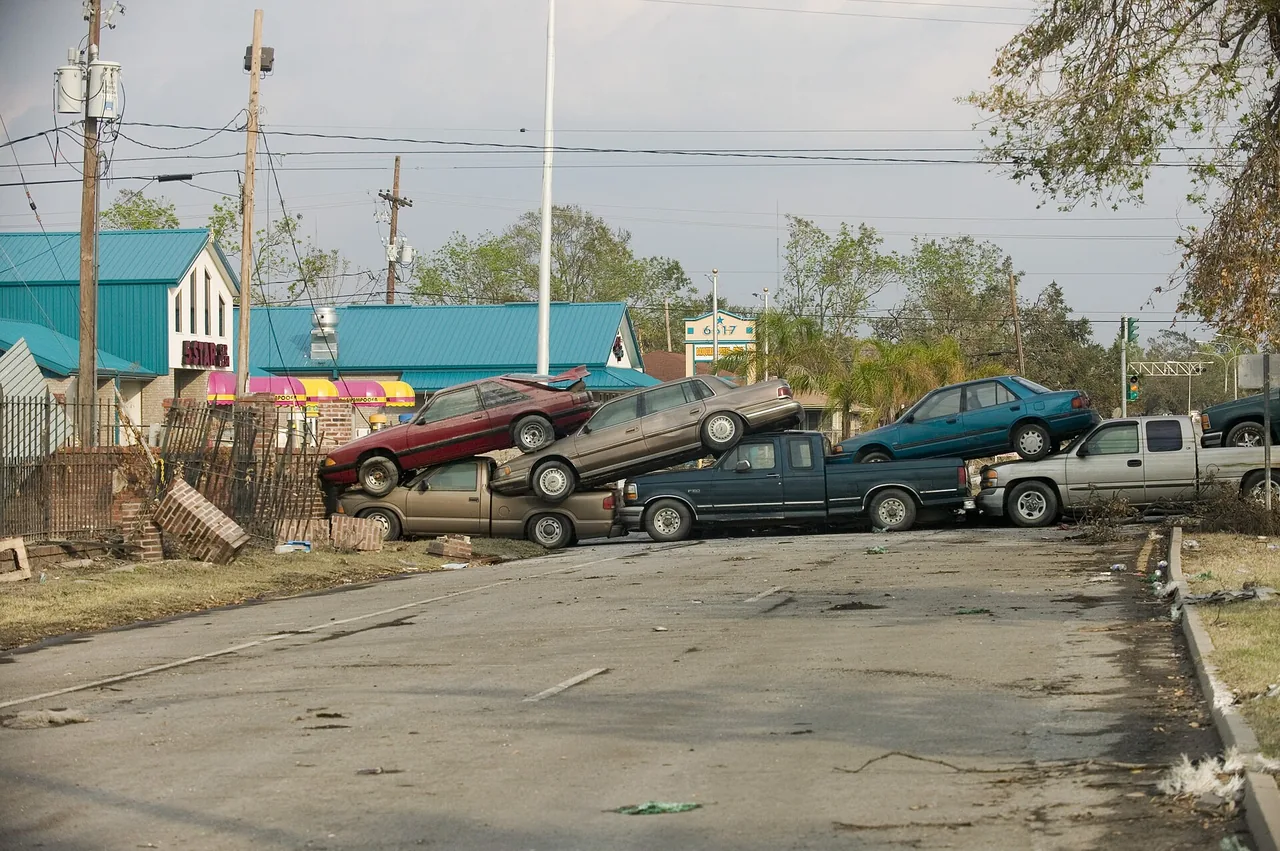


A car can be dried, cleaned and moved far from the place where it flooded. That makes location a poor screening tool. Look for a pattern of physical evidence and a history that can be verified.
One stain is not a diagnosis. Several unexplained signs in different parts of the vehicle deserve a closer inspection before you pay.
Begin before the engine starts
Open the doors and notice the smell before the air-conditioning masks it. Mustiness, heavy fragrance or a recently replaced carpet may have ordinary explanations. Ask why. Compare the answer with invoices and the condition beneath accessible floor mats.
Look at the spare-wheel well if accessible, the lower seat rails and visible metal fittings. Silt in protected areas, water marks and unusual corrosion are reasons to investigate. Do not pull apart trim or touch electrical components without permission and suitable expertise.
Try the equipment systematically
Check windows, locks, mirrors, lights, cameras, ventilation and seat controls. Note intermittent faults rather than letting the seller dismiss them as unrelated. Several electrical problems may share a cause, although only a qualified diagnosis can establish it.
Watch the warning-light sequence at startup. A light that fails to appear when expected can need investigation just as much as one that stays on. The owner's manual and an appropriate scan help the inspector interpret what you see.
Read the history with the dates in view
Order suitable title-history information and compare the VIN across the car and documents. A flood or salvage brand deserves direct questions about what happened, how the car was repaired and whether you can insure and register it.
A clean title is not proof that water never entered the vehicle. Reporting can be incomplete. Equally, a move between states does not establish wrongdoing by itself. Ask for evidence rather than inventing a story from one record.
What to request from the inspector
- Assessment of accessible areas for water residue and corrosion.
- Diagnostic checks appropriate to the model and symptoms.
- Review of restraint-system warnings and repair evidence.
- Written findings, limitations and recommended further testing.
Give the shop the seller's disclosures and history report before the appointment. Tell it which signs you noticed. A basic oil-change inspection may not cover water intrusion or the electronic systems that concern you.
Be especially cautious with electrified vehicles
Do not energize, charge or investigate a suspected water-damaged high-voltage system yourself. Ask the manufacturer or a qualified EV specialist what assessment is appropriate. A dry cabin does not establish battery-system safety.
If the seller cannot explain a cluster of evidence, refuses inspection or pressures you to pay before the history is available, choose another car. A discount is hard to evaluate when the extent of damage remains unknown.
Keep the decision practical
You do not have to prove fraud to decline a purchase. You only need to decide whether the available evidence supports the risk and price. For a routine daily driver, an alternative with a clearer history may be worth more than a large discount attached to unanswered questions.
Sources and checks
- NICB: Flood-damaged vehicle warning — Flood-damaged vehicles can move far from the disaster; investigate water traces and inconsistent history.
- US Department of Justice: Research Vehicle History — Directory of approved NMVTIS history-report providers.
- US DOE: Maintenance and Safety of Electric Vehicles — Combustion-engine maintenance remains relevant to hybrids; high-voltage systems require qualified attention.
Sources checked November 2, 2026. Calculations are illustrations, not dealer or lender offers. Confirm current terms for the vehicle and transaction.