Buying a Used Pickup: Check Payload, Towing History and the Frame
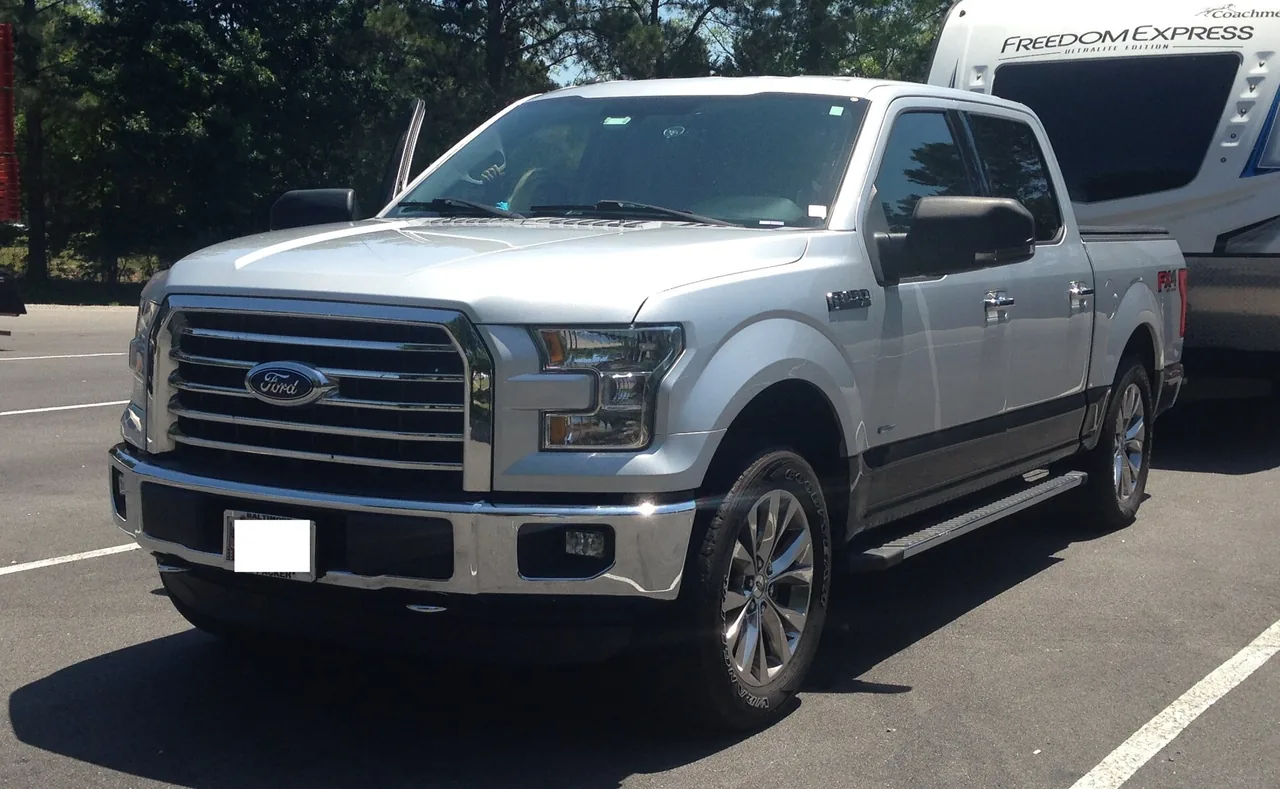


A pickup's headline tow rating may describe a different cab, axle ratio, engine or equipment package from the truck for sale. Before inspecting paint or wheels, establish what the individual truck is configured to do.
This matters even if you tow only a few times a year. Passengers, bed cargo and trailer tongue weight all affect how you use the available carrying capacity.
Read the labels and exact towing information
Photograph the vehicle's certification and tire/loading labels with permission. Use the manufacturer's towing guide for its model year and exact configuration. If details are unclear, ask a qualified dealer or specialist to identify the equipment by VIN.
Do not calculate suitability from engine size alone. Confirm payload, axle and combined-weight limits, hitch limits and the trailer's loaded weight. Aftermarket accessories and modifications can change available capacity or require further assessment.
Ask about its previous work
Was it a commuter, a tow vehicle, a work truck or a snow-plow vehicle? Ask what it towed and how often. Look for maintenance records consistent with that use and the manufacturer's applicable service schedule.
A hitch does not prove hard use. A polished bed does not prove easy use. Treat physical clues as questions for the history and inspection, rather than a substitute for them.
Put the underbody high on the list
Have an independent shop inspect accessible frame and mounting areas, corrosion, suspension, brake lines, leaks and signs of damage or repair. Fresh coatings may make some areas harder to evaluate; ask what the inspector could actually see.
Check the bed, tailgate and cab mounts. Uneven gaps, unusual tire wear or a truck that pulls on the road test need diagnosis. An alignment receipt does not necessarily explain the underlying cause.
Check drivetrain operation appropriately
For four-wheel-drive trucks, ask the inspector to evaluate engagement and operation using the manufacturer's procedure and suitable conditions. Do not experiment with a locked driveline on a surface where the manual forbids it.
Ask about transmission behavior, cooling-system condition and relevant fluid-service records. A warm test drive alone may miss a symptom that appears at cold startup. Explain any noises or delays you noticed before the inspection.
Modifications deserve paperwork
- Lift kits, changed wheels or nonstandard tires.
- Engine or transmission tuning.
- Aftermarket towing or suspension equipment.
- Electrical accessories and added wiring.
Ask who installed each modification and whether documentation exists. Confirm registration, insurance and warranty implications where relevant. A higher asking price for accessories does not establish that they improve suitability for your use.
Finish with a loaded-use plan
Write down your passengers, tools, cargo and trailer requirements. Review the figures with someone qualified if you are uncertain. Then compare the purchase total, inspection repairs and running costs.
If the truck cannot meet the job within its verified limits, choose another configuration. A powerful engine or a discount cannot correct the wrong payload and towing specification.
Sources and checks
- Ford: Towing and payload guidance — Ratings depend on the individual configuration and loading; consult the appropriate model-year guide.
- NHTSA: Check for Recalls — VIN recall lookup and the limitations of its results.
Sources checked November 2, 2026. Calculations are illustrations, not dealer or lender offers. Confirm current terms for the vehicle and transaction.