Used-Car Tires: Check Age as Well as Tread
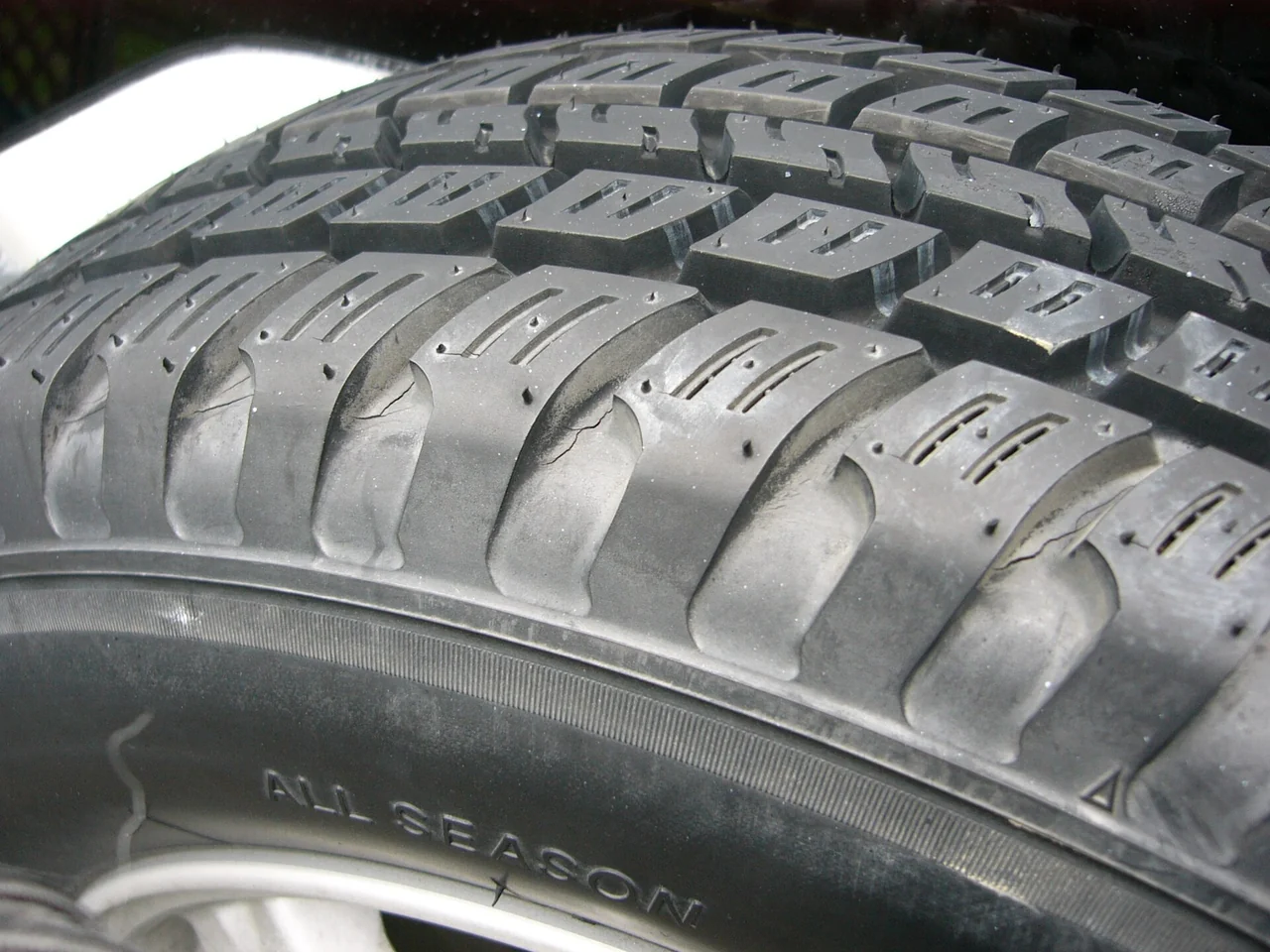

Deep tread does not tell you the age of a tire. Before buying a used car, look at tire condition, manufacturing-date information and whether the set is appropriate for the vehicle. Have a qualified tire professional assess anything uncertain.
Read the date correctly
NHTSA explains the tire-identification information and date code. For tires with the modern four-digit date format, the final four digits identify the production week and year. Check the relevant sidewall; the full marking may not be equally visible from both sides.
Do not create a universal expiry rule
Consult the vehicle and tire manufacturers’ age guidance. Conditions, damage and use matter as well as the date. A tire can need replacement before an age limit, and a clean-looking sidewall does not establish its internal condition.
Compare the complete set
Record size, type, condition and differences between tires. Ask the inspector whether they meet the vehicle’s requirements, including relevant AWD matching guidance. A recent single replacement does not automatically make a mixed set suitable.
Quote the real replacement
Use the actual wheel size and an appropriate tire specification. Include installation and any other quoted charges. Large wheels can change the bill substantially, so do not borrow a quote from a base version with smaller tires.
Use the finding in the purchase comparison
If replacement is needed immediately, include it in first-use cost. Ask whether the seller will replace the tires with an agreed appropriate set or change the price. A cosmetic improvement to the wheels is less useful than understanding the condition of the tires you will drive home on.
Sources and checks
- NHTSA: Tires — Tire identification, aging, condition and manufacturer-specific guidance.
Sources checked November 2, 2026. Examples are illustrative; current terms and vehicle-specific instructions must be verified.