Used-Car Brakes: What a Test Drive Cannot Measure
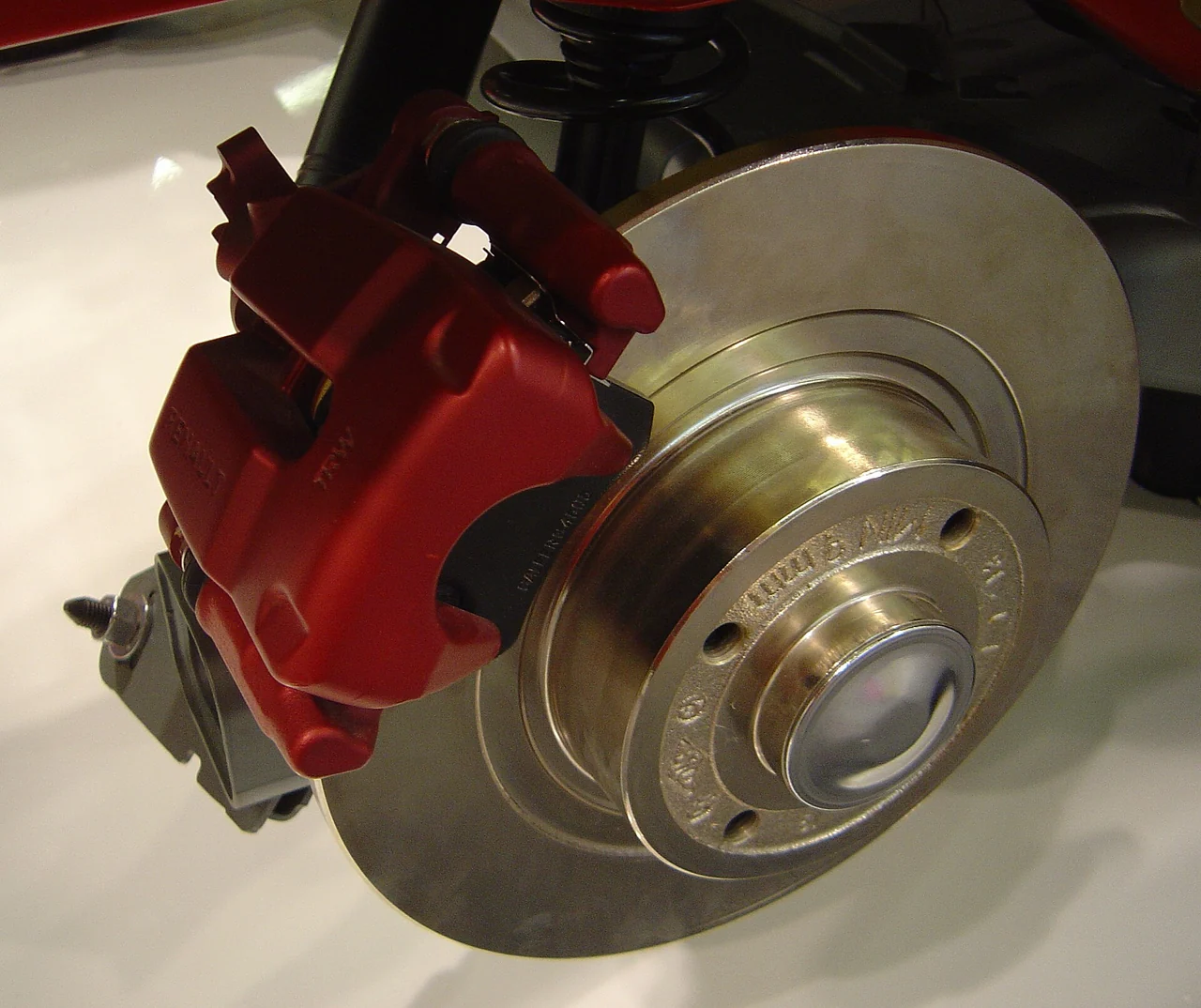

A car that stops during a short test drive can still need brake work. Use the drive to identify observations for the inspector, then request a model-appropriate assessment. Do not attempt emergency braking in traffic to prove a point.
Describe symptoms precisely
Note pulling, vibration, unusual sounds or warning messages and the circumstances in which they appear. Describe what you felt instead of diagnosing the part yourself. A sound can have several causes, and some defects may not appear during a brief viewing.
Request useful findings about relevant wear, visible damage, leaks and operation. Clarify whether wheels were removed and what areas could not be examined. A simple pass/fail note may not tell you how much service remains or what work is recommended.
Include the vehicle’s design
Hybrid and electric vehicles can have regenerative braking as well as friction brakes. That does not remove the need for an appropriate inspection. Ask a shop familiar with the model how it assesses the system and any reported warning.
Ask what parts, labor and additional assessment the quote includes. Replacing pads is not necessarily the correct or complete response to every brake concern. A low advertised repair price may address a narrower job than the inspector identified.
Resolve safety questions before collection
If the inspector says the vehicle should not be driven until work is completed, arrange an appropriate repair or transport plan. Keep written promises and verify completion. Negotiating a discount does not make an unresolved brake issue suitable for the drive home.
Sources and checks
- Ford: Owner manuals — Example manufacturer documentation portal. Use the manual for your exact vehicle or the corresponding source from its manufacturer.
Sources checked November 2, 2026. Examples are illustrative; current terms and vehicle-specific instructions must be verified.