OBD Readiness Monitors Before a Used-Car Purchase
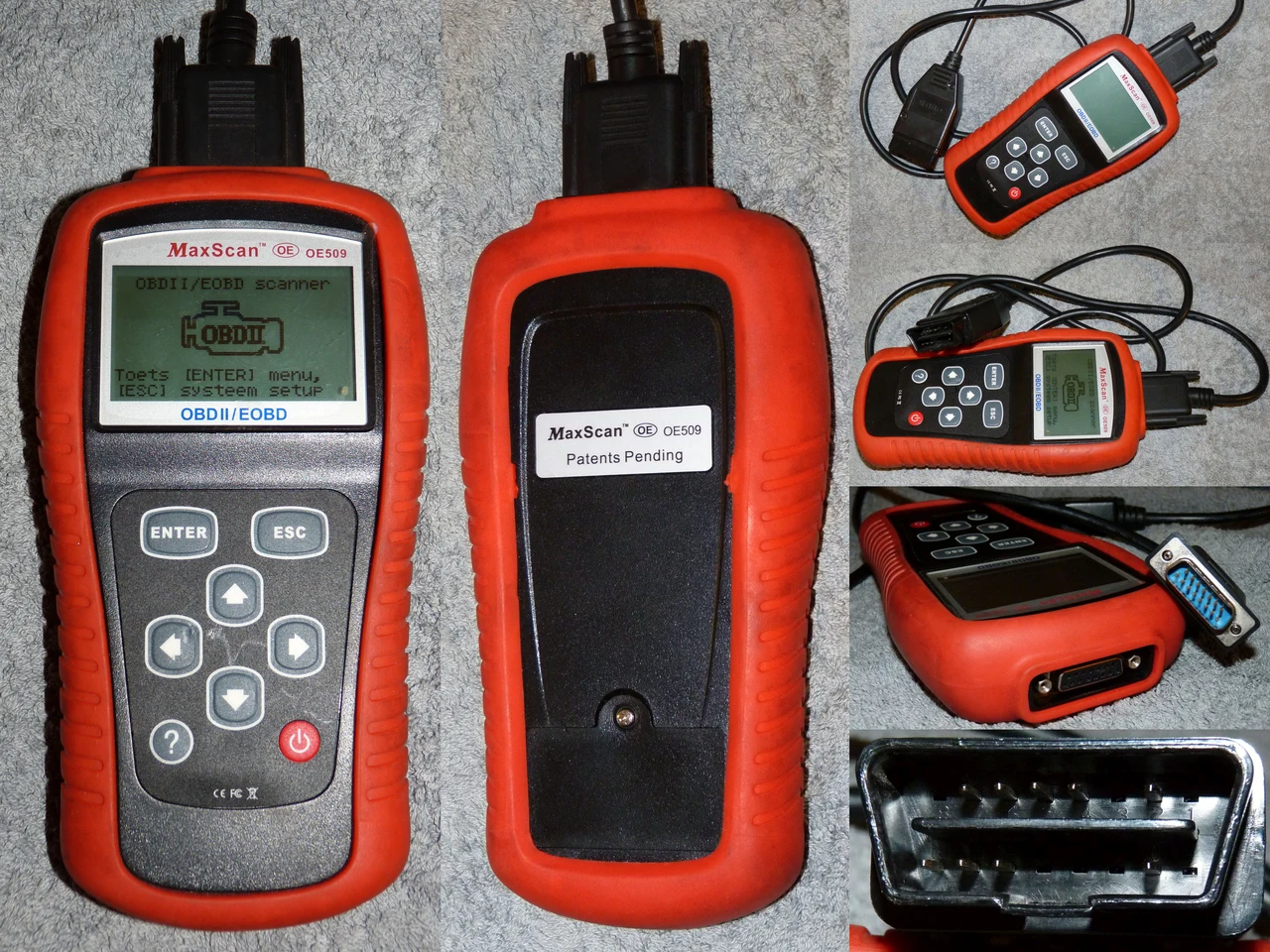

A scan that reports an emissions monitor as “not ready” leaves a question open. It does not, by itself, identify a failed part or prove that a seller concealed a fault. Before buying the car, ask the independent inspector to record the complete scan, explain what remains untested and establish what follow-up is needed.
The useful outcome is a dated report tied to this vehicle, not a reassuring photograph of a scanner with no context. Keep the odometer reading, vehicle identification and the technician's explanation together. That makes a later scan meaningfully comparable.
Read the status correctly
The New York Vehicle Inspection Program's overview describes readiness monitors as the vehicle's own emissions-system checks. Readiness indicates whether those tests have been completed. It is different from a broad mechanical inspection of the car.
Its status explanation separates three ideas:
- Ready or complete: the monitor has run. Read this alongside fault-code information, not as a guarantee of overall condition.
- Not ready or incomplete: a supported monitor has not finished its test.
- Unsupported: that monitor does not apply to the vehicle. It is not simply another incomplete test.
Ask the technician to explain the labels used by the actual scanner. Do not count every unfamiliar line as a defect, and do not let a single green summary replace the detailed report.
Ask about recent work without assuming deception
NYVIP explains that clearing diagnostic trouble codes or losing computer memory after a power interruption, such as a battery disconnection, can reset readiness. That gives you a reason to ask about recent work, but it does not establish why the reset happened.
Request any battery or repair invoice, its date and the recorded mileage. Ask whether codes were cleared as part of that work and whether a subsequent scan or emissions inspection was completed. If the seller has no paperwork, preserve the distinction between a plausible explanation and a verified one.
For example, a seller might report a battery replacement last week while today's scan shows incomplete monitors. The two observations could fit together. They still do not prove that the car has no emissions fault. The next step is verification, not an accusation and not an automatic clean bill of health.
Request a report that answers the purchase question
Before the appointment, tell the shop you are evaluating a purchase. Ask it to include:
- The vehicle identifier, date and odometer reading.
- Which supported monitors remain incomplete and which are unsupported.
- The reported fault codes and warning-light status, with an explanation of their significance.
- What can be concluded now, what cannot, and the proposed next check.
Ask for the initial findings to be saved before any reset or repair changes the evidence. Agree separately on any additional diagnostic work and its cost. A purchase inspection should not silently become an open-ended repair authorization.
Do not buy a promise of a universal drive cycle
Ask the shop to use service information for the exact model year, engine and emissions configuration. This guide does not supply a mileage target, fuel-level recipe or driving maneuver that supposedly completes every vehicle's monitors. Have the technician identify the applicable procedure and explain how completion will be confirmed.
If the seller says the car “just needs driving,” agree on a documented recheck before committing. Decide who arranges it and when you will receive the result. Do not treat distance added to the odometer as the result itself.
Keep emissions readiness separate from the rest of the car
Check the current inspection requirements where the vehicle will be registered with the relevant state agency or licensed inspection station. This article does not promise that a particular number of incomplete monitors passes in every state, for every model year or fuel type.
The FTC recommends an independent inspection before a used-car purchase and a written report with repair estimates. Our pre-purchase inspection guide covers that broader scope. Use the missing service records guide to organize gaps in the paperwork. A readiness scan belongs in that file; it cannot establish the condition of tires, suspension or body structure. Sources checked November 13, 2026.