Buying a Used Car With Missing Service Records
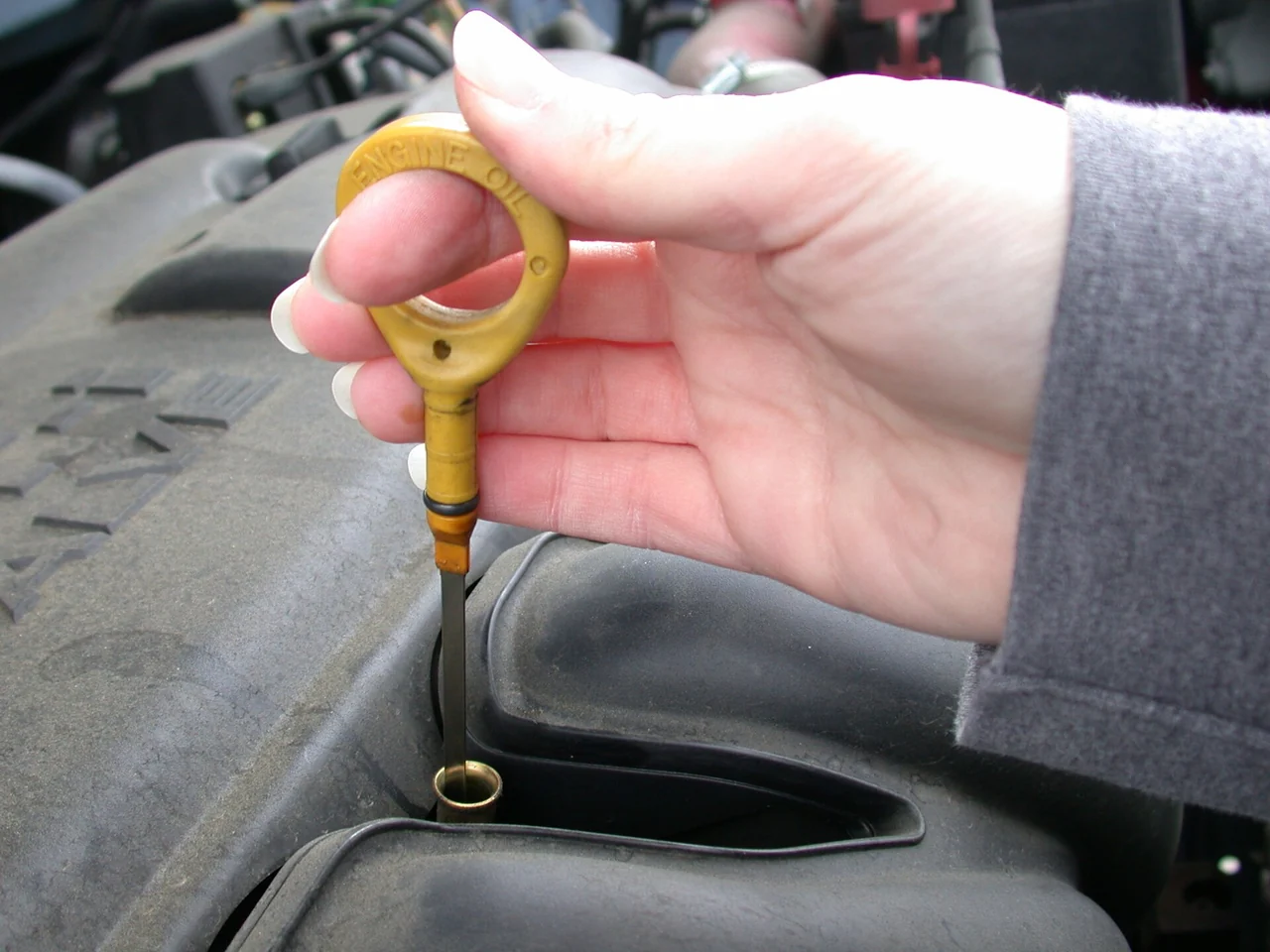

Missing records create uncertainty, not automatic proof of neglect. The practical question is which important work can be verified, what the present inspection finds and whether the price leaves room for the work you cannot establish.
Request specific evidence
Ask about dated invoices, dealer records and the manufacturer’s service history where available with appropriate authorization. A vehicle-history report may contain some entries without being a complete maintenance log. Do not treat its blank periods as a definitive service record.
Build the schedule for the exact version
Identify the engine, transmission and model year. List relevant time- and mileage-based services from the manufacturer’s documentation. Mark each as documented, due or unknown. That is more useful than a general claim that the car is “fully serviced.”
Use the inspection to narrow the unknowns
Tell the shop which records are missing. Ask what can be observed or tested and which maintenance questions cannot be answered without further work. Fresh fluid or a recently cleaned component does not necessarily prove the correct service was performed.
Price reasonable preventive work
Ask the shop whether any undocumented service should be done before relying on the car. Obtain a quote and compare it with the purchase total. Do not replace every unknown with the cost of the most expensive possible failure; distinguish sensible catch-up work from uncertain future repairs.
Decide how much uncertainty you accept
A modestly priced, well-inspected example may still fit the budget after appropriate servicing. An expensive vehicle with major gaps may not justify its premium. If the seller will not support verification or inspection, compare an alternative rather than trying to make a sparse file tell a more reassuring story.
Sources and checks
- FTC: Buying a Used Car From a Dealer — Written purchase quotes, independent inspections and warranty research.
Sources checked November 2, 2026. Examples are illustrative; current terms and vehicle-specific instructions must be verified.