Cabin Air Filter Records: A Small Clue, Not a Full Service History
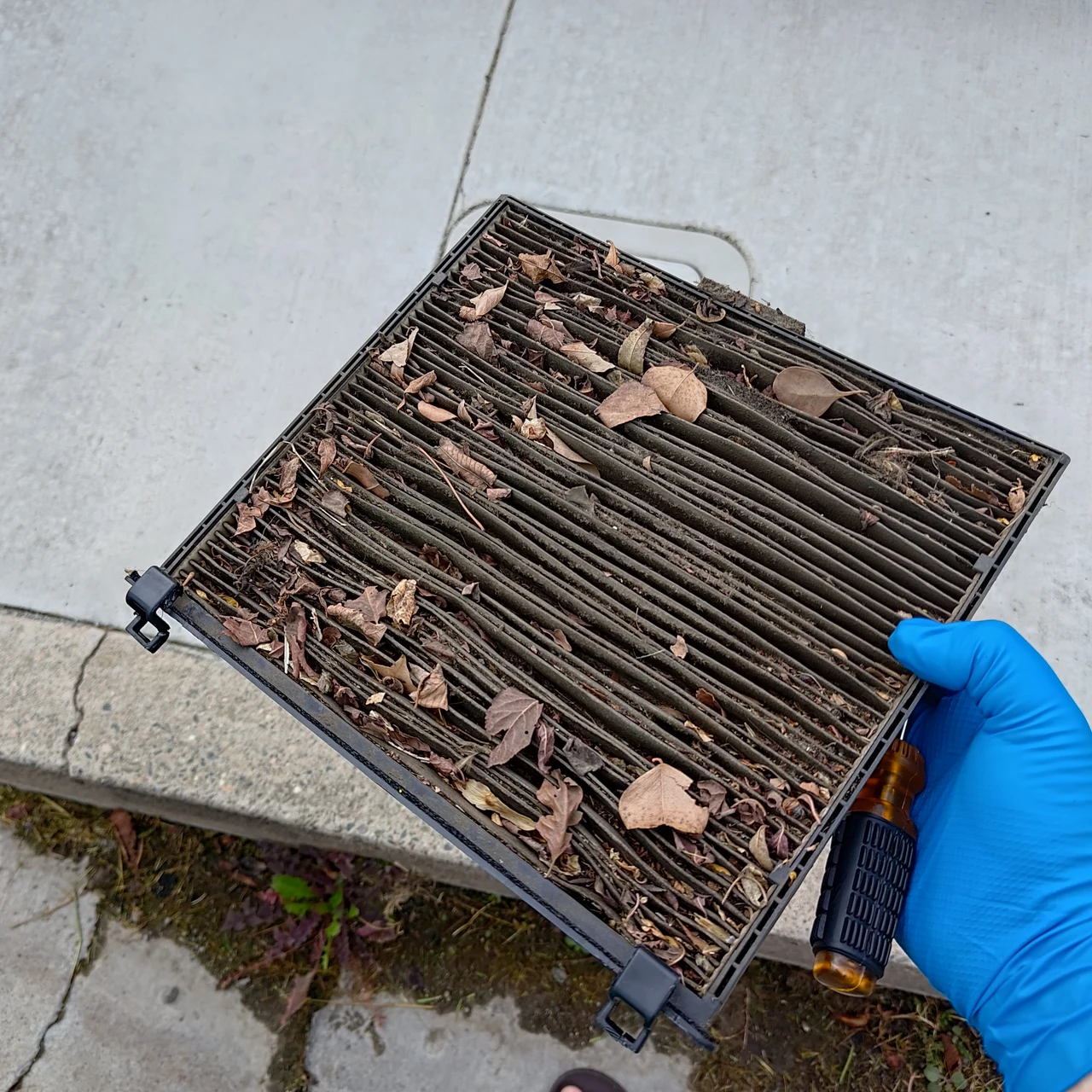

A receipt for a cabin air filter is useful evidence of one maintenance task. It does not show that the engine oil, transmission fluid or brakes received the work they needed. When a seller offers a new filter as proof that a used car was well maintained, keep the receipt and continue checking the rest of the history.
The reverse is also worth remembering: a dirty filter is a reason to inspect and ask questions, not enough evidence to condemn the entire car. The useful question is what was done, when it was done and how that record fits the requirements for this particular vehicle.
First, establish which filter the invoice means
“Air filter replaced” is incomplete wording for a buyer reviewing records. Ask whether the line refers to the cabin filter or the engine air-cleaner element. Request the part description and part number, if recorded, and have the shop confirm the application. Do not assume two filter names are interchangeable because they appeared on the same service visit.
Honda's Maintenance Minder explanation illustrates why this matters: its general description of sub-item 2 includes engine and cabin filters as well as a drive-belt inspection. Honda also says the codes are not identical on every vehicle and directs owners to their specific manual. A record that mentions only a cabin filter does not establish that every other item in a service code was completed.
Read the record before judging the owner
Look for the vehicle identifier, service date, odometer reading, work description and the business or person who performed it. A parts-store receipt shows that a part was purchased; by itself, it does not establish installation in this car. A completed workshop invoice with the vehicle identified is more useful for that question.
If the owner did the work personally, ask for a dated maintenance note and the corresponding receipt. Keep it in the file with its origin clear. Missing paperwork does not prove that maintenance was skipped, but it leaves a question that the inspection and your budget must address. Avoid filling the gap with either a reassuring story or an accusation.
For example, suppose an invoice records a cabin-filter replacement at 61,000 miles and the car now shows 68,000. That records one event 7,000 miles earlier. It does not tell you whether the currently installed filter is the same one, whether the part was suitable or whether unrelated scheduled work was completed. Those are separate checks.
Match the schedule to the car and its use
Find the maintenance instructions for the exact model year and market. Check both normal recommendations and any conditions that change them. Honda's general guidance notes that dusty conditions or heavy airborne soot can require more frequent filter replacement, while again pointing owners to vehicle-specific instructions. That is not a universal mileage interval for every used car.
Ask where the vehicle was driven and how it was stored. Treat the answer as context for the inspector. Do not infer a precise replacement date from a filter's color or the amount of visible debris. Likewise, a newly installed filter may simply reflect preparation for sale; it cannot reconstruct earlier maintenance.
Add a small, specific request to the inspection
- Can the shop verify the correct filter application and installation, using appropriate access?
- Is the filter housing or cover damaged, missing or improperly secured?
- Are there ventilation concerns that need diagnosis beyond routine filter replacement?
- What work is recommended now, and what will it cost?
Have the seller demonstrate the cabin ventilation controls during the viewing. Note an unusual odor, noise or weak airflow as a symptom for the shop, not a confirmed filter fault. A promise to replace a filter is not a diagnosis of every climate-control complaint. Ask the shop to separate routine maintenance from any additional investigation.
Do not dismantle the seller's glove compartment or trim without permission. Access and installation procedures vary. A qualified inspection can establish what is visible and document any limits without turning a viewing into an improvised repair session.
Keep the small task in the larger purchase decision
The FTC's used-car guidance recommends an independent inspection and a written report with repair estimates; a vehicle-history report does not replace that inspection. Our pre-purchase inspection guide helps define the wider scope. Use the filter record alongside that work, not instead of it.
If there are gaps elsewhere, review the guide to missing service records and ask the inspector which items require attention. Before agreeing to a seller's “fully serviced” claim, request an itemized list. A filter replacement can be a sensible part of preparing a car for its next owner. It remains one line in the maintenance file. Sources checked November 12, 2026.