Winter Wipers and Washer Fluid: Match the Vehicle Manual
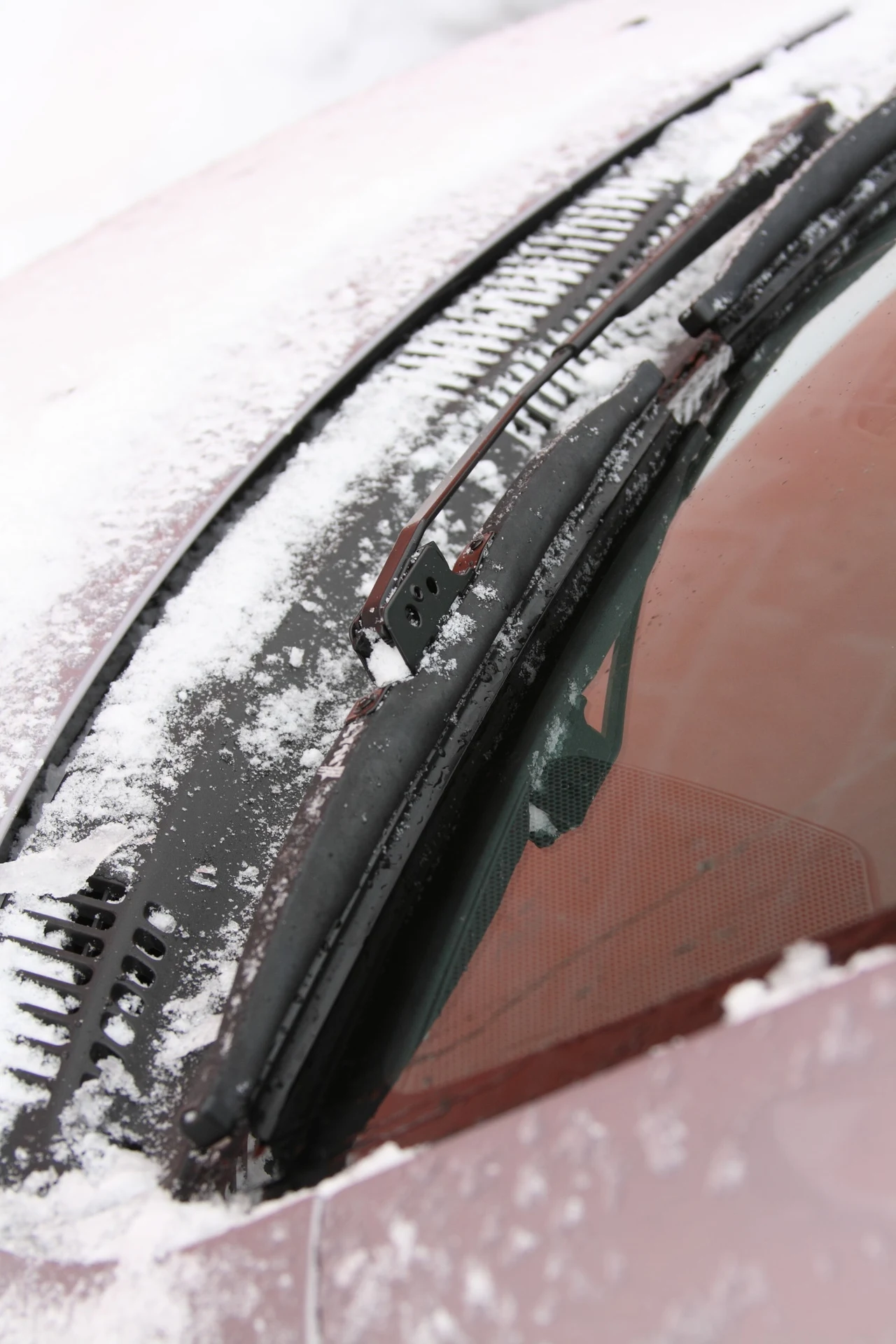

Before buying winter wipers or another jug of washer fluid, open the owner's manual for your exact vehicle. You need answers to two separate questions: which products fit its requirements, and whether the installed system works properly. A new set of blades will not answer both.
This check matters most where your car will encounter freezing weather, snow or road spray. November in a mild coastal city is not the same as November on a mountain route. Plan for the places you will drive, including an overnight stop, rather than treating the month as a specification.
Start with three entries in the manual
Look up wiper replacement, washer precautions and the washer-fluid specification. Save the relevant pages on your phone before visiting the store. Identify the model year and market; a similarly named model or a different generation is not a substitute.
Write down the required blade application and connection information from the manufacturer's parts guidance, then check the replacement package against it. Ask a parts department to resolve a mismatch before opening the packaging. Keep the receipt and part number so a later problem can be checked against what was actually installed.
A concrete example: the 2024 Ford F-150
The 2024 F-150 US/Canada manual, printed pages 142–145, says to defrost the windshield fully before operating the wipers and avoid wiping dry glass. It calls for washer fluid with freeze protection below 41°F (5°C), and warns against running the washer with an empty reservoir.
For streaks, Ford distinguishes dirty blades from worn or damaged ones: clean the former as directed and replace the latter. Its replacement instructions also warn against letting an unprotected arm spring onto the glass. These are F-150 instructions, not a claim that every vehicle uses the same attachment or procedure. Check your own manual before lifting an arm or removing a blade.
Read the fluid label before filling
Bring the vehicle's specification to the shelf. Read the product's temperature rating and directions, including whether it is ready to use or requires mixing. If the label and manual leave a compatibility question, ask the manufacturer or service department rather than improvising a recipe.
On a recently purchased used car, ask what is already in the reservoir. A seller's answer may be uncertain; record that uncertainty instead of assigning the contents the rating of the new bottle. Ask a shop how to prepare the system for your expected conditions. Keep the product label or a photo of it with your maintenance notes.
Test the result while parked
NHTSA's winter preparation guidance recommends checking the defrosters and wipers, replacing worn blades and filling with suitable winter washer fluid. It suggests considering heavy-duty winter blades in places with substantial snow and ice; that is not a requirement to change every car to the same blade design.
With the glass prepared and the system operated according to its manual, observe the spray and wiped area from the driver's seat. Note persistent streaks, an unwiped section, unusual noise or a failed spray. Describe what happens to a technician instead of deciding in advance that every symptom needs new blades. A seller offering replacement blades should still demonstrate that the system works afterward.
Make it part of the viewing checklist
- Find the correct manual and identify the installed blade application.
- Ask what fluid is present and retain the replacement product details.
- Check the defroster, washer and wiping result before relying on the car.
- Get unresolved faults inspected and priced before purchase or a winter trip.
Add these requests to your pre-purchase inspection, and use the road-trip car guide for the broader assessment. Wipers are one part of that decision, not evidence that tires, brakes and the rest of the vehicle are ready for the journey. Sources checked November 13, 2026.