Surface Rust or Structural Rust? What to Ask Before Buying
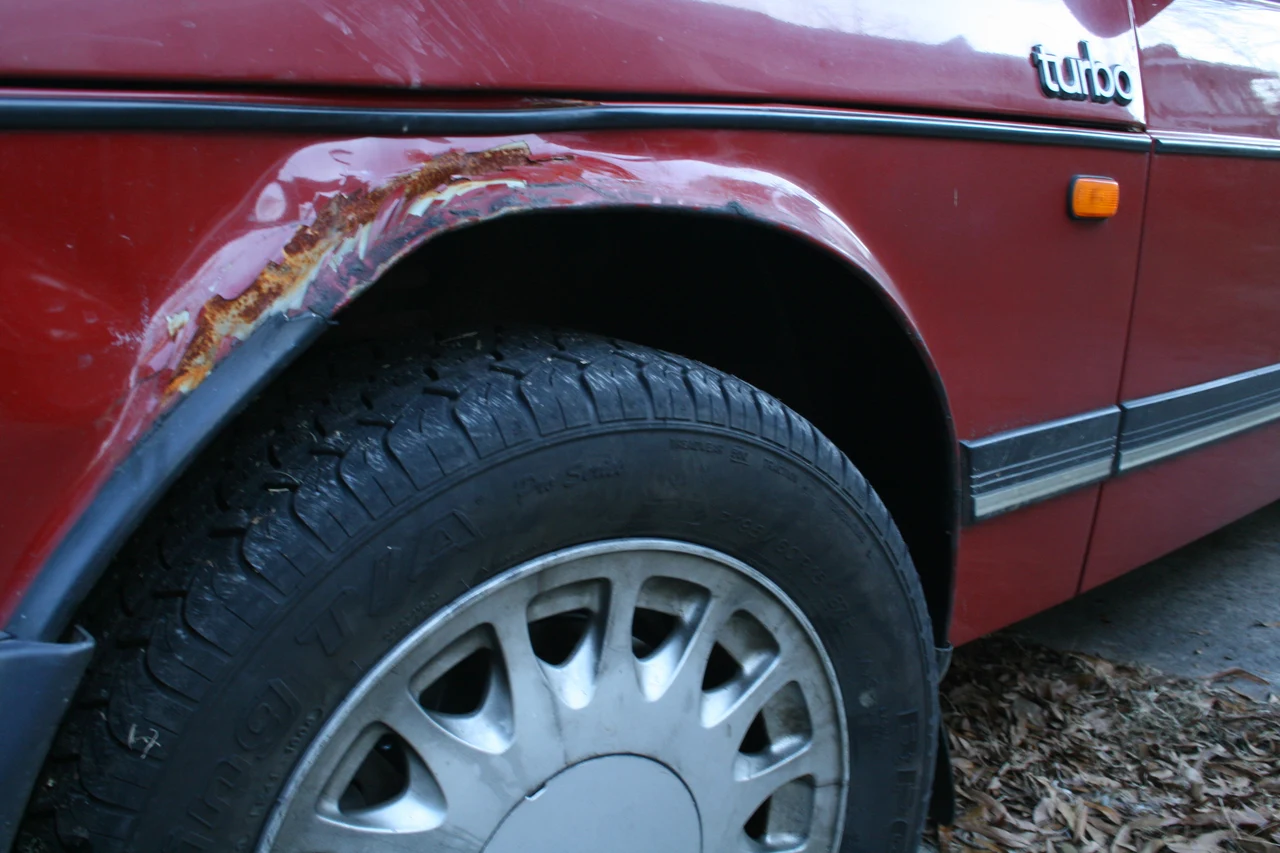

“It's only surface rust” needs a follow-up question: on which part, and how was that conclusion reached? A seller's description or an underside photograph cannot establish how much sound metal remains. Before paying for a used car, ask an independent inspector to identify the affected component, explain the finding and record anything that could not be checked.
Surface corrosion describes a condition at the exterior of the metal. Structural corrosion concerns the integrity of a part that carries loads or supports other components. These are not two reliable photo categories. Location, extent and the vehicle's construction matter; orange coloring alone is not a purchase verdict.
Start by naming the part
Ask the inspector to point out the exact area in a photograph and label it in the report. Is the concern an outer panel, a frame member, a subframe, a mounting point or something else? Ask what that part does and whether the visible area represents the whole problem. A photograph of a wheel arch, like the illustration above, does not show what is behind it.
For a concrete US example, Virginia's inspection rules reject specified frame or unitized-body defects, including rust holes and corrosion that weakens the frame. They also treat the sections of a unitized frame as stress-bearing. This is a Virginia rule, not a nationwide inspection standard or a method for diagnosing your car from a picture. Ask the shop which requirements apply where you will register the vehicle.
Get a finding that you can act on
Book the inspection before committing to the purchase and explain that corrosion is your specific concern. Our pre-purchase inspection guide covers the broader appointment. For this part of the job, request answers to these questions:
- Which affected components were inspected, and what access was available?
- Did covers, dirt, coatings or previous repairs limit the inspection?
- What supports the description of the corrosion as superficial or more serious?
- Is further assessment by a body or structural-repair specialist needed?
- Does the shop advise against driving the car until repairs are completed?
- Can the proposed repair be performed using the applicable manufacturer procedure?
Let the shop choose an appropriate inspection method with the owner's permission. Do not crawl underneath a car on its emergency jack, remove a seller's covers or poke at corroded metal yourself. If the shop cannot reach an area, have that limitation written down. “Not inspected” should not quietly become “no problem found.”
Separate a repair proposal from a cosmetic treatment
A quote to sand, paint or coat an area is not automatically a structural repair plan. Ask which part will be repaired or replaced, what preparation is included and what additional work may become necessary once access improves. Request photographs before anything is covered. If welding is proposed, ask the repairer to identify the applicable manufacturer instructions; Virginia's rule specifically requires frame weld repairs to follow manufacturer recommendations.
Have the estimate distinguish confirmed work from work that remains uncertain. Include labor, parts, any further inspection and the expected time without the car. Avoid using a generic internet rust-repair price as the basis for an offer. The decision changes when a replaceable component is involved, when the scope is still unknown or when the shop cannot give you a supported repair recommendation.
Check the history without letting it overrule the inspection
NHTSA's flood-damage guidance includes unusual underbody corrosion for the car's age and location among the clues to investigate. Corrosion alone does not prove flooding. Ask about previous locations, storage, winter use, damage and repair records rather than assigning a cause from one photograph.
The FTC recommends an independent inspection even for a dealer-certified vehicle, and explains that a history report does not replace one. Ask for a written report identifying the car and estimating necessary repairs. If access is refused or the inspector cannot resolve a safety concern, pause the deal instead of treating a discount as an answer.
Once the car's condition and repair needs are understood, maintenance becomes a separate decision. Our road-salt cleaning guide covers that next step. Washing or rustproofing does not settle whether an existing defect is acceptable. Keep the inspection findings, repair scope and purchase decision together in writing. Sources checked November 11, 2026.