Off-Lease Used Cars: Low Miles Still Need Verification
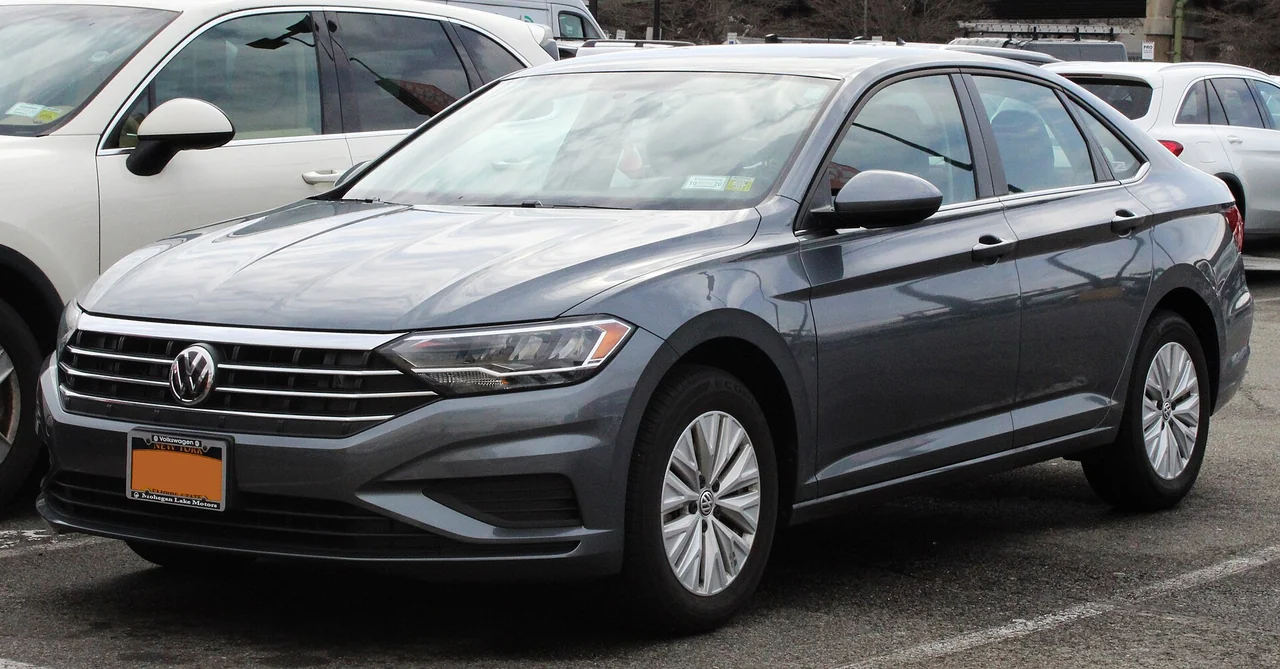

A returned lease can offer a relatively recent vehicle with a familiar history. The lease label does not establish present condition, complete maintenance or added warranty. Start with the individual VIN and the terms of the sale now being offered.
Separate the old contract from your purchase
You are buying the vehicle under a new agreement. Any original lease inspection, wear allowance or return standard is background evidence. Ask what repairs the current seller performed and what coverage you will receive, rather than assuming the former lease obligations protect the next owner.
Verify the in-service date
Ask for the manufacturer’s record and remaining warranty limits. A model year does not identify the exact start of coverage. Compare time and mileage separately, and confirm transfer requirements or exclusions relevant to the car’s history.
Look beyond the odometer
Inspect tires, brakes, wheels, bodywork and cabin controls. Request maintenance invoices and a suitable diagnostic assessment. A car driven relatively few miles may still have time-based service due or repairs from parking damage.
Check certification claims
If advertised as manufacturer CPO, request confirmation of enrollment for the VIN and the program documents. An off-lease vehicle is not automatically certified. If it is simply dealer inspected, ask for the actual report and the seller’s written warranty terms.
Build the comparison around condition
Compare the out-the-door total with other recent used cars after accounting for equipment and immediate work. For an EV, add battery and charging checks. The useful advantage is a well-documented recent vehicle at an acceptable cost, not the label describing how the first owner paid for it.
Sources and checks
- FTC: Buying a Used Car From a Dealer — Written purchase quotes, independent inspections and warranty research.
Sources checked November 2, 2026. Examples are illustrative; current terms and vehicle-specific instructions must be verified.