What Does Home EV Charging Really Cost?
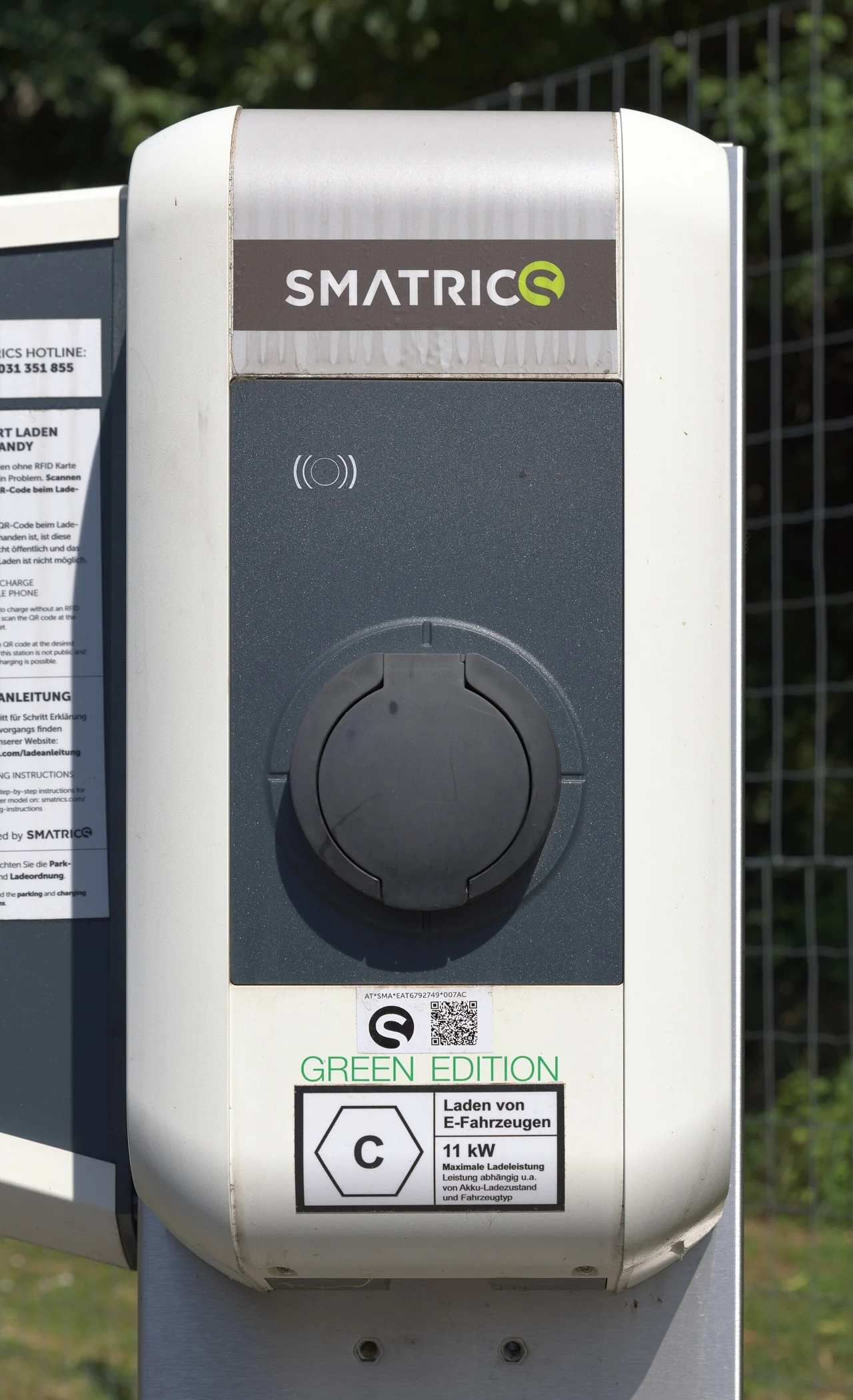

Home charging has two budgets: installing suitable equipment and paying for the energy used afterward. Keep them separate. A low electricity rate does not tell you whether the parking space, wiring and approvals are ready for the car.
Obtain an installation assessment
Ask a qualified electrician about the existing electrical capacity, the parking location and code-compliant equipment. Include permits or building approval where required. Do not assume an ordinary outlet or an adapter is appropriate just because the connector can be inserted.
Read the marginal energy price
Check the rate you will actually pay for extra charging, including time-of-use periods and relevant charges. A whole-bill average may include fixed costs that do not rise with charging. Conversely, a headline energy-only price may omit other usage-based charges.
Work through one month
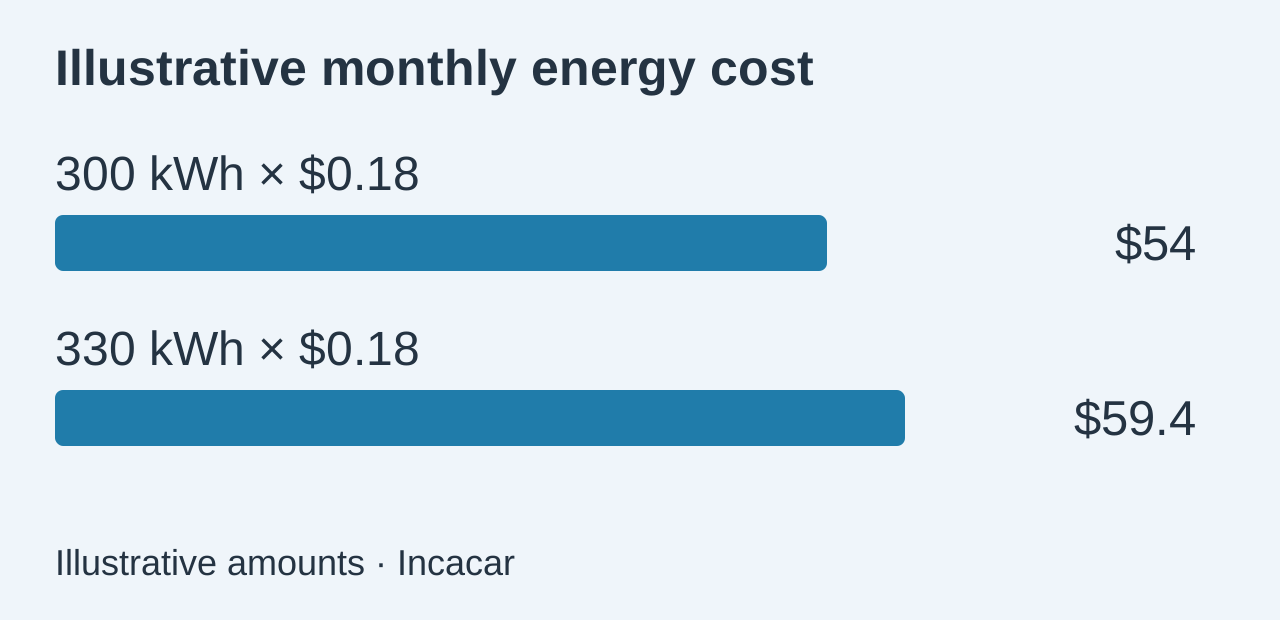
At an assumed 1,000 miles, 0.30 kWh per mile and $0.18 per kWh, driving energy costs $54 before charging losses. If the wall supplies 330 kWh instead of the 300 kWh used in driving, the energy bill is $59.40. These are invented inputs to demonstrate the calculation, not a tariff or efficiency claim.
Treat installation as an upfront cost
A hypothetical $1,500 installation spread across five years is $25 a month in a planning worksheet. That does not mean an installer will finance it for that amount, and moving early changes the effective cost. Use the actual quote and the time you expect to use the equipment.
Compare equivalent ownership plans
Add insurance, maintenance and public charging needed for longer trips. Compare with gasoline costs using the same mileage and period. Verify any utility rebate before counting it. The strongest estimate is one you can trace to your bill, an installation quote and an explicit vehicle-consumption assumption.
Sources and checks
- US DOE: Charging at home — Electrical suitability, equipment and multifamily-housing considerations.
Sources checked November 2, 2026. Examples are illustrative; current terms and vehicle-specific instructions must be verified.